Understanding CNC Machining Parts Manufacturing
CNC machining has revolutionized the manufacturing industry, providing unparalleled precision and efficiency in the production of parts. CNC, which stands for Computer Numerical Control, allows for automated control of machining tools via computer programs. This technology has been a game-changer since its inception and is increasingly vital in various sectors, including aerospace, automotive, and medical industries. As a leading cnc machining parts manufacturer, we've been at the forefront of these advancements since 2003.
What is CNC Machining?
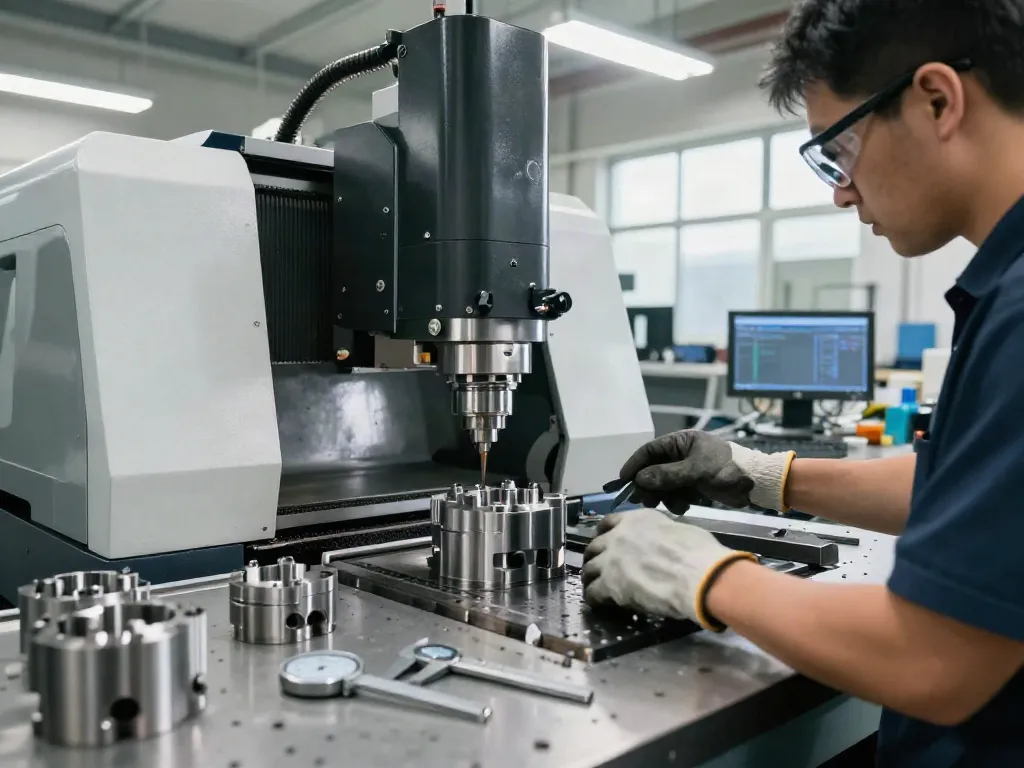
CNC machining refers to a process where computer software dictates the movement of factory tools and machinery. This method allows for the creation of precise parts and components from different materials, including metals, plastics, and composites. CNC machining encompasses various techniques, including milling, turning, and grinding, each tailored for specific applications and types of materials.
Historical Evolution of CNC Technology
The evolution of CNC technology dates back to the 1940s and 1950s when the first programmable machine tools emerged. Originally driven by punch cards, the technology has rapidly evolved into sophisticated systems capable of executing complex designs with minimal human intervention. The introduction of CAD (Computer-Aided Design) software in the 1980s further transformed the landscape, allowing engineers to create intricate designs that CNC machines could execute with precision.
Importance of CNC Machining Parts Manufacturer
CNC machining parts manufacturers play a critical role in various industries by providing high-quality, reliable components tailored to specific requirements. Their expertise in material selection, machining processes, and quality assurance helps clients achieve their project goals while maintaining cost efficiency. Partnering with a reputable manufacturer can ensure that products meet stringent industry standards and regulations.
Key Services Offered by CNC Machining Parts Manufacturers
Leading CNC machining parts manufacturers offer a diverse range of services tailored to meet the unique needs of their clients. These services include:
CNC Milling Services Explained
CNC milling involves the use of rotating cylindrical cutters to remove material from a workpiece. This technique is versatile and can be used to create complex shapes and designs. CNC milling is ideal for high-volume production runs due to its speed and efficiency, making it a preferred choice for many manufacturers.
CNC Turning Services Overview
CNC turning is a process where a workpiece is rotated while a cutting tool moves linearly to create cylindrical parts. This method is commonly used for producing shafts, pins, and bushings. CNC turning machines are equipped with various tool holders, enhancing their ability to produce intricate designs and complex geometries.
Injection Molding Capabilities
Injection molding is a manufacturing process often utilized for producing plastic parts. The process involves injecting molten plastic into a mold to create the desired shape. This method is particularly efficient for mass production, as it allows for rapid production cycles and high precision, making it a popular choice for manufacturers looking to produce large quantities of components.
Quality Assurance and Standards in CNC Machining
Quality assurance is a cornerstone of successful CNC machining services. Manufacturers must adhere to rigorous standards to ensure the final products meet customer specifications and industry regulations.
ISO Certifications and Their Importance
ISO certifications, such as ISO 9001, demonstrate a company's commitment to quality management systems. These standards require manufacturers to implement processes that ensure consistent quality in their products. For customers, choosing a certified CNC machining parts manufacturer guarantees that they are partnering with a company committed to excellence.
Quality Control Measures in CNC Machining
Effective quality control measures are essential in CNC machining to minimize defects and ensure the consistency of products. Common practices include:
- Regular calibration of machines
- Utilization of advanced measuring tools
- Statistical process control (SPC)
These methods help manufacturers maintain tight tolerances and produce parts that meet industry standards.
Common Quality Challenges Faced by Manufacturers
While CNC machining offers many benefits, manufacturers often face challenges related to quality, such as:
- Material variations
- Machine wear and tear
- Insufficient training of personnel
Addressing these challenges through regular training and maintenance can significantly improve product quality and operational efficiency.
Choosing the Right CNC Machining Parts Manufacturer
Selecting the right CNC machining parts manufacturer is crucial for the success of any project. Several factors should be considered during the selection process:
Factors to Consider When Selecting a Manufacturer
When evaluating potential CNC machining suppliers, consider:
- Expertise in the specific type of machining required
- Range of materials and services offered
- Reputation for quality and reliability
Evaluating Expertise and Experience
Assessing a manufacturer's experience in the industry provides valuable insight into their capabilities. Look for a company with a proven track record in producing parts similar to what you need. This can reduce risks and enhance project outcomes.
Customer Support and Communication
Effective communication is vital for successful collaboration with a CNC machining parts manufacturer. Ensure your chosen partner offers responsive customer support and is willing to engage throughout the manufacturing process. Clear communication helps in addressing issues quickly and effectively.
Future Trends in CNC Machining Parts Manufacturing
The CNC machining industry is continuously evolving, driven by technological advancements and changing market demands. Some emerging trends include:
Emerging Technologies in CNC Machining
Innovative technologies such as artificial intelligence (AI) and machine learning are increasingly being integrated into CNC machining processes. These advancements enhance production efficiency, improve accuracy, and enable predictive maintenance, ultimately reducing downtime.
Sustainability and Eco-Friendly Practices
As environmental concerns grow, manufacturers are adopting more sustainable practices. Implementing energy-efficient machines, recycling materials, and minimizing waste are crucial steps toward creating a more eco-friendly manufacturing environment.
Predictions for the CNC Industry in 2026 and Beyond
Looking towards the future, the CNC machining industry is expected to see significant growth fueled by advancements in technology and an increasing demand for customization. By 2026, the ability to integrate smart manufacturing practices will likely become a standard, making it essential for manufacturers to adapt to remain competitive.
What are the top CNC machining parts manufacturers?
The top CNC machining parts manufacturers are typically characterized by their commitment to quality and innovation. They leverage advanced technologies and maintain strict quality control processes to deliver exceptional products tailored to customer needs.
What are the benefits of CNC machining services?
Utilizing CNC machining services provides numerous benefits, including:
- High precision and repeatability
- Increased production speed
- Cost-effective manufacturing for large quantities
How to select a CNC machining parts manufacturer?
Selecting the right manufacturer involves assessing their expertise, quality standards, and communication capabilities. Engaging with potential suppliers early in the design process can also enhance collaboration and streamline production.
What materials are commonly used in CNC machining?
CNC machining can incorporate a variety of materials, including metals like aluminum, steel, and titanium, as well as plastics such as polycarbonate and ABS. The choice of material often depends on the application requirements and the desired properties of the finished product.
What is the future of CNC machining technology?
The future of CNC machining technology is bright, with ongoing innovations expected to improve efficiency, reduce costs, and enable more complex designs. As smart manufacturing evolves, CNC machining will play a pivotal role in shaping the future of production across various industries.