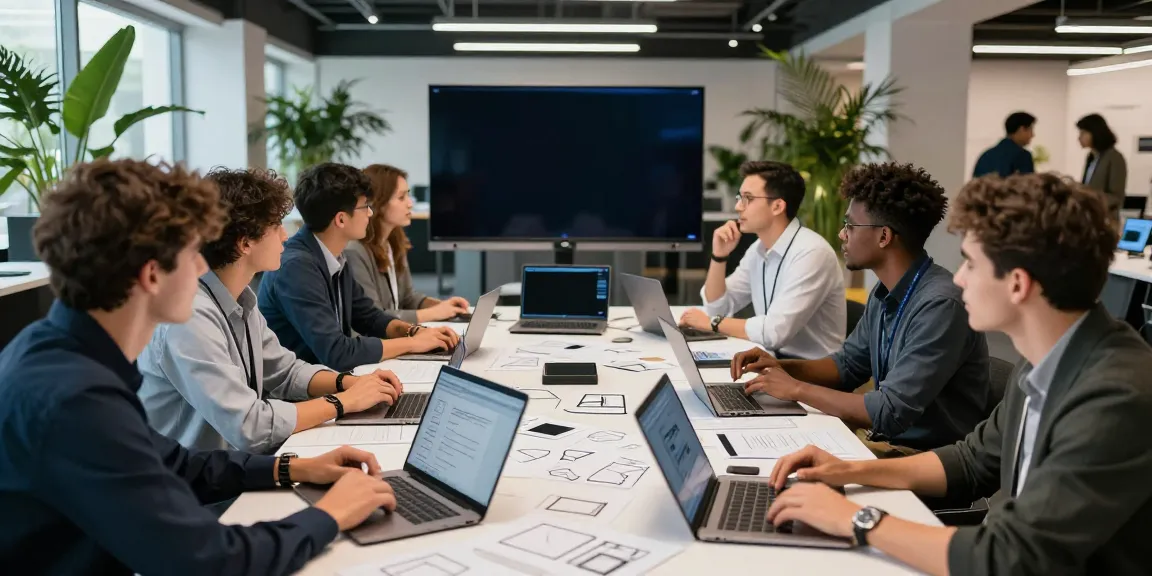
The Importance of Deepfake Free Meetings
In an age where virtual communication dominates the business landscape, ensuring the authenticity of meetings has become paramount. Deepfake technology, which allows for the creation of hyper-realistic but fake videos and audio, poses significant risks to the integrity of online interactions. As organizations increasingly rely on platforms such as Zoom, Microsoft Teams, and Google Meet, the challenge of deepfake threats has escalated. Understanding the implications of deepfakes in virtual meetings is essential for preserving trust and security in business communications. In this context, Deepfake free meetings are not just a desirable feature but a necessity for any serious enterprise.
Understanding Deepfakes in Virtual Meetings
Deepfakes leverage advanced artificial intelligence to produce convincingly altered audio and visual content. In video conferences, this technology can create the illusion that a participant is present when they are not, or it can manipulate what a participant says. This capability presents a myriad of challenges, particularly in securing sensitive business discussions and intellectual property.
For instance, during a typical meeting, a deepfake could impersonate a CEO or a critical decision-maker, potentially leading to fraudulent activities or misinformation. Thus, understanding how deepfakes operate is crucial for companies striving to maintain their credibility and safeguard their information.
The Risks of Deepfake Technology in Business
The implications of deepfake technology in business meetings are profound. The primary risks include:
- Fraudulent Representation: Individuals can present themselves as trusted figures, leading to unauthorized approvals or financial transactions.
- Information Security Breaches: Sensitive information could be shared with malicious actors disguised as legitimate participants.
- Reputation Damage: Businesses implicated in deepfake scandals can suffer irreversible reputational harm and loss of stakeholder trust.
To mitigate these risks, organizations must remain vigilant and adopt comprehensive strategies to ensure the authenticity of their meetings.
Benefits of Ensuring Authenticity in Meetings
Maintaining the integrity of virtual meetings not only protects sensitive information but also bolsters overall company morale. When employees feel secure that their communications are genuine and protected from deepfake threats, productivity increases. Moreover, authentic interactions foster trust among team members and with clients, enhancing collaboration and decision-making processes. Ensuring deepfake-free meetings can also serve as a competitive advantage, demonstrating an organization’s commitment to security and professionalism.
Common Pitfalls in Virtual Meetings
Despite the growing awareness of the risks posed by deepfakes, many organizations still overlook critical security measures in their virtual meetings. Identifying common pitfalls can help businesses safeguard their operations against potential threats.
Ignoring Security Protocols
Many businesses fail to implement robust security protocols during virtual meetings, opting instead for convenience over security. This oversight often includes neglecting to require passwords for meetings or failing to utilize waiting rooms where participants can be verified before joining. Such oversights create vulnerabilities that can be easily exploited by malicious entities looking to introduce deepfake content.
Not Training Staff on Deepfake Recognition
Employees are often the first line of defense against deepfake threats. However, if staff are not adequately trained to recognize the signs of deepfake technology, they may inadvertently compromise the organization’s security. Regular training sessions focused on identifying suspicious behavior and recognizing altered content can significantly reduce the likelihood of deepfake-induced breaches.
Overlooking Software Updates
New vulnerabilities are discovered in software regularly, and neglecting to update video conferencing tools can leave companies susceptible to deepfake risks. Ensuring that all software is regularly updated with the latest security features enhances the safeguards against potential threats. Organizations should establish a routine for checking and updating all communication software and its associated security features.
Best Practices for Preventing Deepfakes
To combat the risks posed by deepfake technology, businesses must adopt best practices that promote secure virtual environments. These strategies encompass advanced technology solutions and human-centric practices.
Adopting Advanced Detection Tools
The use of deepfake detection tools has emerged as a proactive measure in the fight against deepfakes. These tools analyze video and audio streams in real-time, enabling organizations to identify synthetic content as it occurs. By investing in such technologies, companies can significantly mitigate the risk of phony representations during meetings.
Implementing Multi-Factor Authentication
Additionally, implementing multi-factor authentication (MFA) is essential for ensuring that only authorized users can access virtual meetings. By requiring multiple forms of verification, such as a password combined with a biometric scan or a one-time SMS code, organizations can enhance their security posture and prevent unauthorized participants from joining.
Creating a Secure Meeting Environment
Establishing a secure meeting environment involves a combination of technical solutions and procedural practices. Organizations should consider utilizing encrypted communications, securing endpoints, and instituting clear policies regarding the sharing of sensitive information during meetings. Furthermore, using dedicated platforms that prioritize security can also contribute to a safer virtual meeting experience.
Case Studies: Learning from Mistakes
Examining past missteps can provide invaluable lessons for organizations aiming to safeguard against deepfake threats. High-profile incidents illustrate the potential fallout from inadequate security measures in virtual meetings.
High-Profile Meeting Failures
One notable example involved a high-profile executive whose likeness was used to conduct fraudulent transactions. The impersonator gained access to confidential meetings, leading to significant financial losses for the company. Such incidents highlight the importance of proactive measures in preventing deepfake infiltration.
Lessons Learned from Industry Leaders
Industry leaders who have successfully implemented comprehensive security protocols report that fostering a culture of awareness among employees is critical. Regular training and reinforcement of security measures can create a workforce that is well-prepared to confront emerging threats, including deepfakes.
Real-World Solutions to Deepfake Challenges
Organizations that have addressed deepfake challenges with innovative solutions include those that have adopted AI-driven verification systems to assess the authenticity of video feeds. These systems flag suspicious content, enabling teams to act swiftly and minimize the potential for disruption. By leveraging technology, organizations can turn the tide against deepfake threats.
The Future of Deepfake Free Meetings
Looking ahead, it is clear that the evolution of technology and the increasing sophistication of deepfake techniques will continue to challenge organizations. However, an optimistic outlook suggests that advancements in detection and prevention strategies will also evolve.
Emerging Technologies in Deepfake Detection
As the development of deepfake technology moves forward, so too does the innovation in detection methods. New algorithms and machine learning techniques are being developed to identify the subtle indicators of synthetic content more accurately, paving the way for more robust security solutions in virtual meetings.
Predictions for 2026 and Beyond
By 2026, we anticipate that deepfake detection will become standard in virtual meeting platforms. Businesses will prioritize this feature as a part of their security packages, and organizations that embrace these innovations will likely have a competitive edge. Moreover, as awareness of deepfake threats continues to grow, stakeholders will demand greater accountability and transparency from their communication partners.
Integrating AI for Secure Communication
Integrating artificial intelligence into communication platforms will facilitate real-time analysis and verification of participants during meetings. This integration will not only help in identifying deepfake threats but also enhance the overall security framework of virtual interactions. The future of communication lies in the seamless blending of advanced technology and user awareness, leading to safer, more authentic meetings.
What are deepfake free meetings?
Deepfake free meetings are virtual gatherings that utilize advanced detection technologies to ensure the authenticity of participants and prevent the infiltration of manipulated content. These meetings aim to provide a secure environment for all participants, allowing for transparent and trustworthy communication.
How can I detect deepfake content in meetings?
Detecting deepfake content in meetings involves recognizing signs of alterations, such as unnatural facial movements, mismatched audio, and inconsistent lighting. Additionally, employing specialized detection software can help flag potential deepfake activities during virtual calls.
What tools are best for ensuring meeting authenticity?
Various tools are available for ensuring meeting authenticity, including AI-driven deepfake detection software, encryption technologies, and platforms that incorporate biometric verification. Businesses should seek solutions that integrate multiple layers of security to address diverse threats.
Are deepfake threats becoming more common?
Yes, as deepfake technology becomes more accessible and sophisticated, the threats associated with it are increasing. Organizations must remain vigilant and proactive in their approach to safeguarding against potential deepfake incidents.
What are the best practices for secure video conferencing?
Best practices for secure video conferencing include using encrypted platforms, implementing multi-factor authentication, training employees on threat recognition, and keeping software up to date. By adhering to these practices, organizations can significantly reduce their exposure to deepfake risks.