
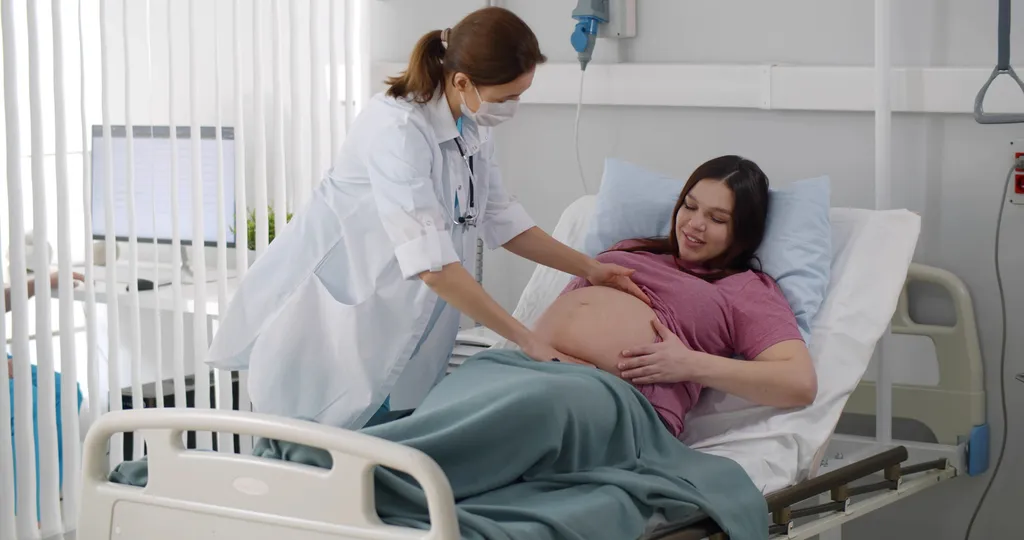
A child with a persistent fever, an unusual rash, or a heart murmur picked up during a routine checkup can walk into two very different hospitals and receive two very different levels of care, even though the diagnosis on paper looks identical. Many families first encounter this gap when choosing a pregnancy hospital for delivery, only to realize months or years later that the same facility's approach to a child's illness looks nothing like what a dedicated pediatric center offers. Understanding why this happens helps parents make better decisions long before an emergency forces the choice.
The Same Diagnosis, Different Depth of Understanding
General hospitals treat patients of every age, so their pediatric departments, when they exist at all, cover a wide range of childhood conditions without specializing deeply in any one of them. A pediatrician trained broadly can recognize common illnesses quickly, but certain conditions need more:
- Rare metabolic disorders need a sub-specialist who has seen dozens or hundreds of similar cases, not just a handful
- Congenital heart defects often get stabilized and referred out at a general hospital, losing valuable time in the process
- Pediatric cardiology teams recognize the specific pattern immediately and move straight into a treatment plan built around that exact condition, rather than a general approach adapted for a child
- Pediatric oncology cases benefit from a team that has managed a high volume of similar diagnoses, translating directly into faster, more accurate decisions
- Complex neurological or genetic conditions need specialists who track subtle patterns across many prior cases, not just textbook symptoms
The sheer volume of similar cases a specialist team has managed makes the real difference between quick stabilization and an accurate, fully-formed treatment plan from day one.
Equipment Built for Smaller Bodies
Medical equipment designed for adults doesn't always translate well to children. Ventilators, imaging machines, and even standard dosing calculations require adjustments for smaller airways, developing organs, and different metabolic rates. Pediatric hospitals invest in equipment sized and calibrated specifically for infants and children, along with staff trained to use that equipment safely on smaller patients.
A neonatal intensive care unit illustrates this well. Premature babies weighing under two kilograms need incubators, monitors, and feeding support built around their specific physiology, not scaled-down versions of adult equipment. Hospitals without this level of specialization sometimes transfer critical newborns elsewhere, a process that adds risk during an already fragile period. Radiology and diagnostic imaging follow the same logic, since a scan calibrated for an adult body often exposes a child to unnecessary radiation or produces less accurate results than equipment specifically designed for smaller anatomy.
Coordinated Teams Instead of Isolated Specialists
A general hospital typically brings in specialists individually, coordinating between departments as issues arise. A pediatric hospital structures its teams differently, with cardiologists, neurologists, surgeons, and nutritionists working together under one roof from the start of a diagnosis. This coordination matters enormously for children with conditions that touch multiple systems at once, such as a genetic disorder affecting both growth and organ function.
Families who first connect with a hospital through maternity care often benefit from this same coordinated structure without realizing it. A woman who delivers with a trusted pregnancy and delivery doctor at a hospital and later needs pediatric care for her child within the same network gains continuity: shared medical history, familiar staff, and a system already built around treating both mother and child under one philosophy of care.
Emotional and Developmental Considerations
Treating a child isn't only about the physical illness. Pediatric hospitals design their spaces, communication styles, and even their approach to procedures around a child's emotional development. Staff trained specifically in pediatric care know how to explain a procedure to a five-year-old in a way that reduces fear, or how to involve parents in a treatment plan without overwhelming them with clinical detail.
General hospitals, focused primarily on adult care, don't always build this consideration into their default approach. A child who feels frightened or confused during treatment can become harder to examine, harder to calm, and in some cases harder to treat effectively, simply because the environment wasn't designed with their needs in mind from the outset.
Knowing When the Difference Actually Matters
Not every childhood illness requires a specialty pediatric center. A routine infection, a minor injury, or a standard vaccination visit works perfectly well at most general facilities with a competent pediatrician on staff. The difference becomes significant for complex, rare, or multi-system conditions, where depth of experience and coordinated specialty care directly affect outcomes.
Parents benefit from knowing, ahead of time, which conditions warrant a specialty referral and which don't, rather than discovering the distinction during a stressful diagnosis. Building a relationship with a pediatric-focused hospital early, even for routine care, makes that transition smoother if a more complex issue ever arises.
Conclusion
General and pediatric hospitals both play a role in a child's healthcare, but they aren't interchangeable for every condition. Equipment built for smaller bodies, teams trained specifically in childhood development, and coordinated specialty care all shape how effectively a hospital handles complex pediatric illness. Parents who understand this difference early, and who build a relationship with a trusted pediatric network alongside a female gynaecologist during pregnancy, put their family in a stronger position long before any emergency makes the choice urgent.
Ankura Hospital brings maternity and pediatric specialists together within the same network, giving families continuity from prenatal care through childhood treatment. Their coordinated teams are built specifically around the needs of women and children, so care carries seamlessly from pregnancy through every stage of a child's growth.