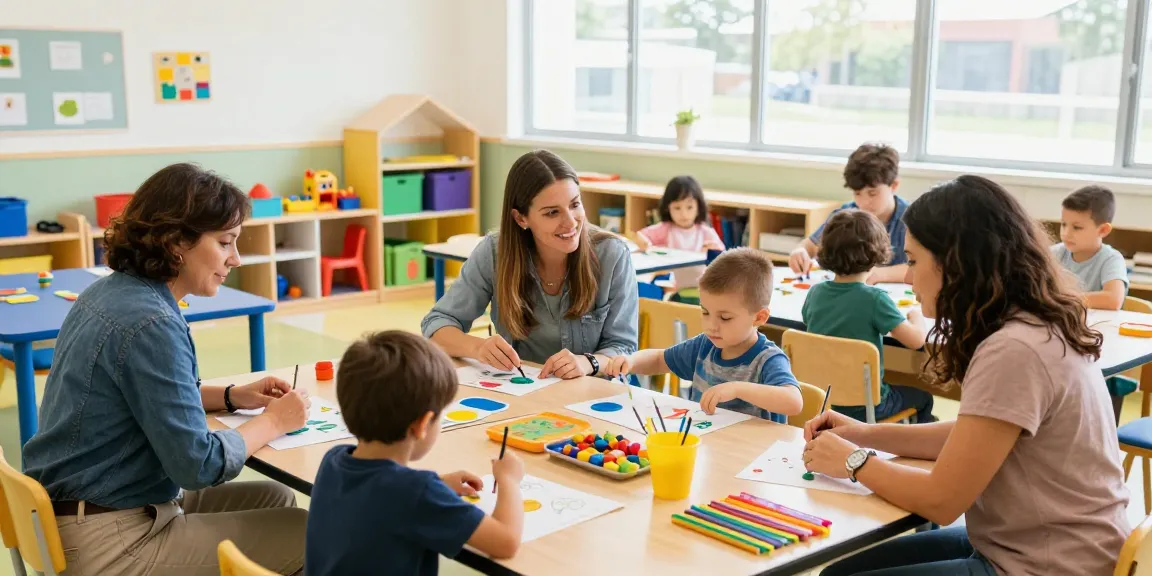
Understanding the Importance of Early Childhood Education
In today's rapidly changing world, the foundational years of a child's life play a crucial role in shaping their future. Early childhood education sets the stage for lifelong learning, personal development, and the acquisition of essential life skills. Research indicates that quality preschool experiences can significantly enhance a child's cognitive abilities, emotional intelligence, and social skills, ultimately preparing them for the demands of primary education and beyond. For parents exploring options, kindergarten near me provides comprehensive insights into local educational opportunities suitable for their children.
Why Choose a Kindergarten Near Me?
Choosing a preschool close to home offers a variety of benefits for both children and parents alike. Proximity enables children to adjust more easily to a new environment while minimizing the stress associated with long commutes. Moreover, local kindergartens often foster stronger connections within the community, allowing parents to form relationships with other families and easily participate in school events. These connections enrich the educational experience and provide a support network that can be beneficial throughout a child's development.
Key Benefits of Quality Preschool Education
- Social Skills Development: Preschool programs emphasize group activities that help children learn to share, cooperate, and communicate effectively.
- Structured Learning Environment: In a preschool setting, children are exposed to a structured yet flexible schedule that promotes self-discipline and time management.
- Foundation for Future Learning: Early exposure to literacy and numeracy prepares children for the academic challenges they will face in primary school.
- Emotional Development: Quality preschools support emotional literacy, helping children understand and manage their feelings effectively.
The Role of Parents in Early Learning
Parental involvement is critical in the early stages of education. By participating in their child's learning journey, parents can significantly enhance the child's educational experience. Engaging with teachers, attending school events, and supporting learning at home are essential steps that foster a robust learning environment. Additionally, discussing daily activities with children helps them process their experiences and reinforces the skills they learn at preschool.
Features of an Effective Kindergarten Program
Inquiry-Based Learning Approaches
At the core of modern preschool education is the inquiry-based learning approach. This pedagogy encourages children to ask questions, explore concepts, and engage in hands-on experiences. Inquiry-based learning aligns with children's natural curiosity, allowing them to take control of their educational path. As children investigate their interests, they develop critical thinking skills and a love for learning that will benefit them throughout their lives.
Low Teacher-to-Child Ratios Explained
A low teacher-to-child ratio is vital for effective early childhood education. Smaller class sizes allow educators to provide individualized attention, cater to each child's unique needs, and foster meaningful relationships. This supportive environment significantly enhances children's learning and emotional well-being, as they feel valued and understood. Prospective parents should prioritize kindergartens with low ratios to ensure their children receive the best possible care and attention.
Creative Learning Environments and Their Impact
A stimulating and creative learning environment enriches children's educational experiences. Effective kindergartens integrate play, art, and exploration into their curriculum, fostering engagement and motivation. Classrooms filled with diverse materials and resources encourage children to experiment and express themselves creatively. Outdoor spaces should also be utilized, allowing for physical activity and exploration of nature, essential for holistic development.
Choosing the Right Kindergarten for Your Child
What to Look for in a Preschool
When selecting a preschool, parents should consider several factors. First, assess the quality and qualifications of the teaching staff. Educators should be trained in early childhood education, with a focus on nurturing and engaging children. Additionally, visit the facility to evaluate its environment, resources, and overall atmosphere. A welcoming, safe, and stimulating environment is crucial for fostering a love of learning.
How to Assess a Kindergarten’s Curriculum
A well-rounded curriculum is essential for a child's development. Look for programs that provide a balance of structured activities and free play. Curriculum components should include literacy, numeracy, social studies, science, and the arts while emphasizing inquiry-based learning. Furthermore, check if the curriculum aligns with local and national educational standards, ensuring your child receives a quality education.
The Importance of Trilingual Education
In an increasingly globalized world, multilingual education is becoming essential. Offering programs in multiple languages—including English, Mandarin, and Japanese—can provide children with a competitive advantage and improve cognitive skills. Multilingual education also fosters cultural appreciation and awareness, essential in today’s diverse society. Parents should seek kindergartens that prioritize language development through immersive learning experiences.
Comparative Insights: Pegasus International Preschool vs Competitors
Unique Features of Pegasus International Preschool
Pegasus International Preschool distinguishes itself through its inquiry-based learning model and trilingual curriculum. By allowing children to drive their learning, Pegasus fosters deeper understanding and engagement. Additionally, with a focus on holistic development, Pegasus nurtures not only intellectual growth but also emotional and social skills, preparing children for future success.
How Other Preschools Stack Up
While many preschools offer quality education, Pegasus excels in its individualized learning approach and low teacher-to-child ratios. Many competitors prioritize rote learning, which can limit children's curiosity and creativity. Furthermore, not all preschools provide the same level of parental involvement and community connection, which can impact a child's overall experience.
Parent Testimonials and Their Importance
Testimonials from current and former parents can provide valuable insights into a preschool's quality and efficacy. Feedback helps prospective families gauge the experiences of others and identify any strengths or weaknesses in the program. Positive testimonials can enhance a preschool's reputation and instill confidence among parents looking for the best educational setting for their children.
Future Trends in Kindergarten Education for 2026
Emerging Learning Technologies
As technology continues to evolve, so too will the landscape of early childhood education. By 2026, we can expect an increase in the integration of technology in preschool settings, with interactive apps and learning platforms designed specifically for young learners. These tools can enhance engagement and provide children with new ways to explore concepts and collaborate with peers.
Cultural Diversity in Early Education
The importance of cultural diversity in early education continues to grow. As societies become more interconnected, kindergartens will increasingly incorporate diverse cultural perspectives into their curricula. Educators will focus on promoting empathy, respect, and understanding among children, preparing them for life in a diverse world.
Predictions for Child Development and Learning
Research indicates that children's social-emotional skills will be prioritized in preschool settings moving forward. By 2026, expect to see more programs dedicated to fostering emotional intelligence, resilience, and mental well-being. Such initiatives will help children develop the social skills necessary for navigating the complexities of life and building healthy relationships.
What Parents Should Know Moving Forward
As the education landscape evolves, parents must remain informed about emerging trends and best practices. Engaging with educators, participating in school activities, and fostering a supportive home learning environment are essential for nurturing lifelong learners. Staying current on educational innovations will empower parents to make informed decisions about their child's preschool education.
How to Prepare Your Child for Lifelong Learning?
Preparing children for lifelong learning begins at home. Encourage curiosity by asking open-ended questions and providing opportunities for exploration. Offer a variety of experiences, including arts, sciences, and outdoor activities, to help children discover their interests. Finally, instill a growth mindset by praising effort, resilience, and determination, ensuring children understand that learning is a lifelong journey.