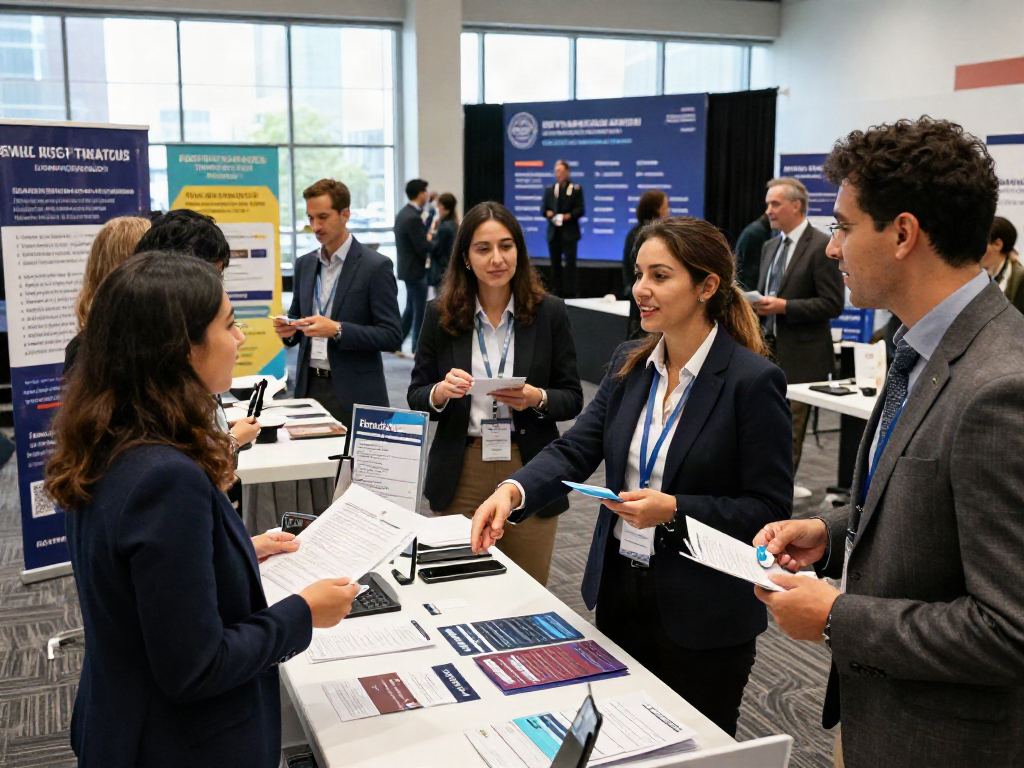
Understanding CSP Certification and Its Importance
The Certified Safety Professional (CSP) certification is a prestigious designation that signifies the highest level of competency in the field of occupational health and safety. With its global recognition and rigorous standards set by the Board of Certified Safety Professionals (BCSP), this certification not only enhances your career prospects but also equips you with essential skills needed to manage safety programs effectively. When exploring options, CSP Certification serves as a vital resource for professionals aiming for excellence in the safety domain.
What is CSP Certification?
The CSP certification is awarded to individuals who demonstrate comprehensive knowledge and practical application in safety practices. Candidates must pass a rigorous examination that assesses their understanding of safety management, risk assessment, and hazard control, among other critical competencies. Holding this credential indicates that a professional has met stringent educational and experiential requirements, thereby establishing credibility in the workplace.
Benefits of CSP Certification for Professionals
Obtaining the CSP certification comes with numerous benefits:
- Enhanced Career Opportunities: CSPs are often sought after for senior-level positions because of their verified expertise.
- Increased Earning Potential: Studies show that CSP-certified professionals earn significantly higher salaries than their counterparts without certification.
- Global Recognition: The credential is acknowledged worldwide, making it easier for CSPs to pursue opportunities internationally.
- Professional Credibility: Holding a CSP certification adds to your professional credibility and builds trust with employers and clients.
- Commitment to Best Practices: The certification showcases an individual’s commitment to maintaining high standards in workplace safety and ethics.
Overview of BCSP and Its Role in Certification
The Board of Certified Safety Professionals (BCSP) is the body responsible for providing safety professionals with credentials that validate their knowledge, skills, and competencies. Established in the United States, BCSP has become a global authority in occupational safety and health certification. The organization aims to advance the safety profession by promoting excellence and continuous improvement, helping professionals meet the increasing demand for safety expertise in various industries.
Key Components of CSP Training Programs
Curriculum Overview: What You Will Learn
The CSP training program encompasses a comprehensive curriculum designed to prepare candidates for the CSP examination effectively. Participants will gain insights into critical areas such as:
- Advanced Risk Management: Understanding the methodologies for identifying and mitigating risks in diverse settings.
- Safety Management Systems: Learning frameworks to develop, implement, and maintain effective safety programs.
- Fire Prevention and Protection: Gaining knowledge in fire safety regulations and standards to manage fire hazards.
- Industrial Hygiene: Addressing workplace exposures to chemicals, noise, and other harmful agents.
- Environmental and Health Hazards: Understanding environmental regulations and their impact on health safety.
- Ergonomics and Human Factors: Optimizing workplace design to prevent injuries related to human interaction with equipment and environments.
- Emergency Response and Security Management: Developing protocols for responding to emergencies and ensuring workplace security.
Delivery Methods: Online vs. In-Person Training
Burraq Consulting offers flexible training options to accommodate varying learning preferences. Candidates can choose between:
- Online Training: Virtual instructor-led training allows participants to learn from anywhere and at their convenience.
- In-Person Training: Traditional classroom settings provide hands-on experiences and direct interaction with instructors.
Duration and Scheduling Flexibility
The CSP training program is typically structured to last for one month, with classes held on weekends or evenings to cater to working professionals. This flexibility ensures that candidates can balance their study commitments with personal and professional responsibilities.
Preparation Strategies for the CSP Exam
Study Materials and Resources for Success
Successful preparation for the CSP exam requires access to high-quality study materials. Burraq Consulting provides:
- Comprehensive CSP manuals that cover all exam topics.
- Mock exams that simulate the actual test environment.
- Practice questions to reinforce knowledge and test readiness.
Mock Exams: Building Confidence and Reducing Anxiety
Taking practice tests is crucial for developing confidence. These mock exams help identify strengths and weaknesses while familiarizing candidates with the exam format. This approach reduces anxiety and prepares test-takers for the actual exam experience.
Time Management Techniques for Exam Day
Managing time effectively during the exam is key to success. Candidates will learn strategies to allocate their time wisely across sections, ensuring they can address all questions without feeling rushed.
Eligibility and Application Process for CSP Certification
Who Can Apply for CSP Certification?
The CSP certification is designed for safety professionals with relevant educational backgrounds and work experiences. Candidates typically need to meet the following prerequisites:
- A minimum of a bachelor’s degree in any field.
- At least four years of safety experience, including two years in a safety position with responsibility for safety.
Step-by-Step Application Process
To apply for CSP certification, candidates must:
- Create an account on the BCSP My Profile portal.
- Complete the application form, providing documentation of eligibility.
- Pay the application fee of $160.
- Schedule the exam after receiving application approval.
Common Challenges and How to Overcome Them
Many candidates face challenges during the preparation and application process. Some common issues include:
- Understanding Eligibility: Ensure you meet all prerequisites before applying.
- Time Management: Create a study schedule to balance work, life, and exam preparation effectively.
- Exam Anxiety: Practice relaxation techniques and familiarize yourself with the exam format to reduce nervousness.
Future Trends and Career Opportunities in Occupational Safety
Emerging Trends in Safety Certification for 2026
The landscape of occupational safety is evolving, with increasing emphasis on technology, data-driven safety measures, and sustainable practices. Emerging trends influencing CSP certification include:
- Integration of AI and machine learning in risk assessment and management.
- Focus on environmental health and safety as industries adopt greener practices.
- Remote monitoring technologies to identify safety hazards in real time.
Salary Expectations and Career Advancement
As organizations prioritize safety, CSP-certified professionals can expect impressive salary growth. Statistics indicate that CSPs earn an average of 20% more than non-certified peers. Furthermore, many find opportunities for promotion to senior positions, such as:
- Health and Safety Manager
- Safety Director
- Compliance Auditor
- Environmental Health and Safety Consultant
Why Investing in CSP Certification is Crucial Today
With the ongoing global focus on workplace safety and environmental responsibility, investing in CSP certification today is essential. It empowers professionals to meet industry demands while enhancing their own career trajectories.
What are the costs associated with CSP Certification?
The costs involved in obtaining CSP certification include:
- Application fee: $160
- Exam fee: $350
- Training costs may vary based on the provider, with Burraq Consulting offering competitive pricing.
How long is the CSP Certification valid?
CSP certification is valid for five years. Professionals must engage in continuous professional development and renew their certification to maintain their status.
What resources are available for CSP exam preparation?
Beyond the training provided by Burraq Consulting, various resources can aid candidates, including:
- Online forums and study groups for discussion and peer support.
- Webinars and workshops focusing on specific exam topics.
- Books and online courses specifically tailored for CSP exam preparation.
What are the top career paths after obtaining CSP Certification?
The CSP credential opens doors to various career paths in industries like:
- Construction
- Manufacturing
- Oil and Gas
- Healthcare
- Consulting
What is the significance of BCSP accreditation?
BCSP accreditation ensures that safety professionals meet globally recognized standards of competence and ethical practices. It validates the skills needed to effectively manage safety programs and enhances the professional image of CSPs in the workforce.