Understanding Sand Blast Stencils for Your Projects
When it comes to creating impeccable designs on various surfaces, selecting the right sand blast stencil is crucial. These stencils offer precision and durability, essential for projects that demand high-quality results. Whether you are a contractor specializing in stonework or a DIY enthusiast, understanding the features and benefits of different stencils can significantly impact your project's success. For reliable options, the sand blast stencil provides an excellent starting point.
What is a Sand Blast Stencil?
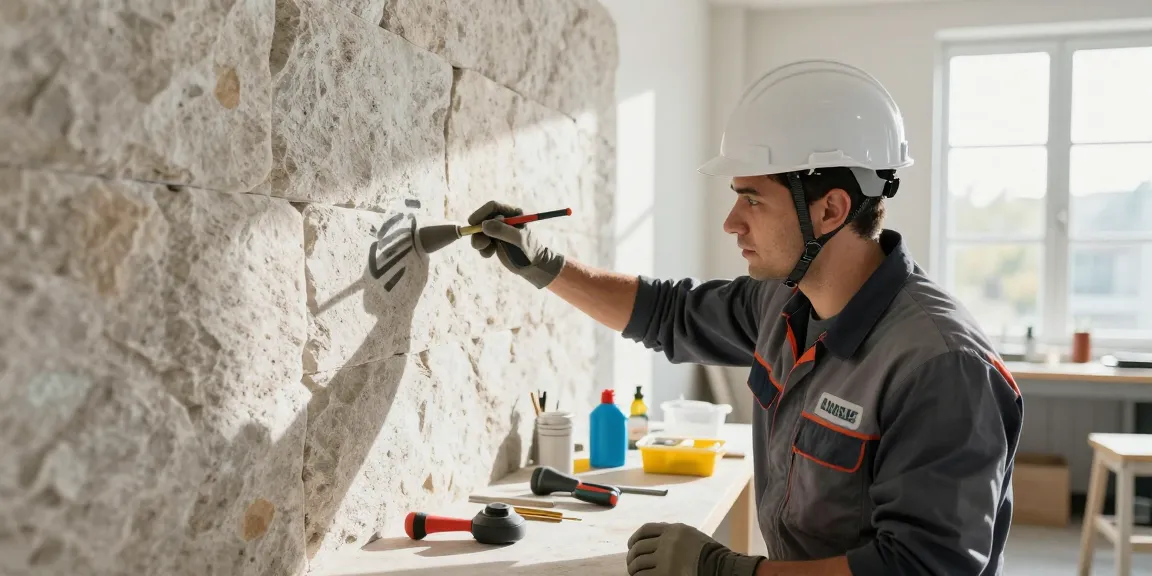
A sand blast stencil is a specially designed template made from durable materials that can withstand the intense conditions of sandblasting. These stencils facilitate precise designs by resisting the abrasive actions of sandblasting media while allowing the material underneath to be protected or marked appropriately. Typically, stencils come in various sizes and thicknesses, catering to the different types of projects they are used for.
Benefits of Using High-Quality Stencils
Investing in high-quality sand blast stencils comes with numerous advantages:
- Durability: High-quality stencils are crafted from robust materials that resist tearing and shifting during the blasting process.
- Precision: The right stencil allows for clean cuts and detailed designs, enhancing the aesthetic quality of the final product.
- Efficiency: Quality stencils help reduce mistakes and rework, saving you time and resources in the long run.
Applications in Various Industries
Sand blast stencils find applications across multiple industries, including:
- Monument and Headstone Manufacturing: Crafting intricate designs on stone surfaces.
- Signage: Creating high visibility signage for businesses.
- Aerospace and Defense: Stenciling parts and components that require precision and compliance.
- Industrial Applications: Marking machinery and infrastructure for operational clarity.
How to Choose the Right Sand Blast Stencil
Selecting the appropriate sand blast stencil is key to achieving the desired results in your projects. Here are some actionable tips:
Evaluating Adhesion Types and Thickness
When it comes to adhesion, various stencils offer different levels of tackiness. Choose one that suits your project needs—more aggressive adhesives are essential for rough surfaces but may require testing to ensure compatibility. The thickness of the stencil is also important: thicker products are usually more durable and better suited for deep blasting, while thinner options may offer better flexibility.
Importance of Material Compatibility
Always assess the material you will be working with. Compatibility between the stencil and substrate material is vital for effective application. For instance, using a specialty sand blast stencil on raw hardwood or rough stone helps to maintain the integrity of the design.
Consulting Local Experts for Recommendations
Don't hesitate to ask local suppliers for their recommendations based on your project. Experts can provide valuable insights into which products work best in your area, considering factors like climate, common materials, and regional regulations.
Pricing Guide for Sand Blast Stencils
Understanding the cost of sand blast stencils is essential for budgeting your projects. Different factors affect pricing:
Cost Breakdown for Different Sizes and Materials
Prices vary based on size, material type, and thickness. Expect to pay anywhere from $20 to $150, depending on these variables:
- Small Stencils: Often priced between $20-$50.
- Medium Stencils: Range from $50-$100.
- Large or Custom Orders: Typically above $100, especially for high-tack options or specialty materials.
Factors Impacting the Price of Stencils
Several factors can influence the price of stencils:
- Material Quality: Higher quality materials usually come at a premium.
- Thickness: Thicker stencils designed for heavy-duty applications often cost more.
- Brand Reputation: Established brands may charge more based on reliability and performance.
Finding Affordable Options Locally
To save costs while still securing quality products, explore local suppliers and manufacturers. Many local businesses offer competitive pricing and sometimes run promotions or discounts on bulk orders.
Local Regulations for Sand Blasting Services
Before embarking on sandblasting projects, familiarize yourself with the local regulations governing this practice:
Understanding Compliance in Your Area
Regulations can differ significantly between regions. Ensure compliance with local laws regarding noise, dust emissions, and safety practices during sandblasting work. It’s also critical to stay updated with any changes to environmental laws affecting your projects.
Insurance and Licensing for Local Providers
Verify that any contractors you hire are licensed and insured. This protects you from liabilities associated with accidents or damages that might occur during the blasting process. Always ask for proof of insurance before contract signing.
Impact of Regulations on Service Costs
Understanding and following regulations may impact the overall cost of sandblasting services. Compliance-related expenses may be passed onto the client, which is a crucial consideration when budgeting for projects.
Customer Experiences with Sand Blast Stencils
Learning from fellow customers can give valuable insights into the effectiveness of stencils. Here are some common experiences:
Gathering Local Reviews and Testimonials
Check online platforms and local forums for reviews about specific stencil products and sandblasting service providers. First-hand accounts can provide clarity about what to expect in terms of quality and service.
Before-and-After Project Showcases
Many users share project showcases that highlight the transformation achieved using sand blast stencils. Look for these on social media or industry websites for inspiration and practical examples.
Common Challenges and Solutions from Users
Understanding common challenges can help you prepare effectively. Users frequently report issues like stencil shifting during application or adhesive failing on specific surfaces. Solutions often involve choosing the right thickness and testing adhesion beforehand.
Frequently Asked Questions
What materials can I use with a sand blast stencil?
Sand blast stencils are typically compatible with a variety of materials including rough stone, metal, wood, and HDU foam board. Always verify material compatibility before use.
How long do sand blast stencils last?
The lifespan of a stencil can vary based on usage and material. Generally, high-quality stencils can last for several projects, provided they are used correctly and maintained.
Can I apply sand blast stencils myself or should I hire a professional?
While many DIY enthusiasts can apply stencils successfully, hiring professionals ensures optimal results. They bring expertise in handling unique materials and addressing potential issues during the blasting process.