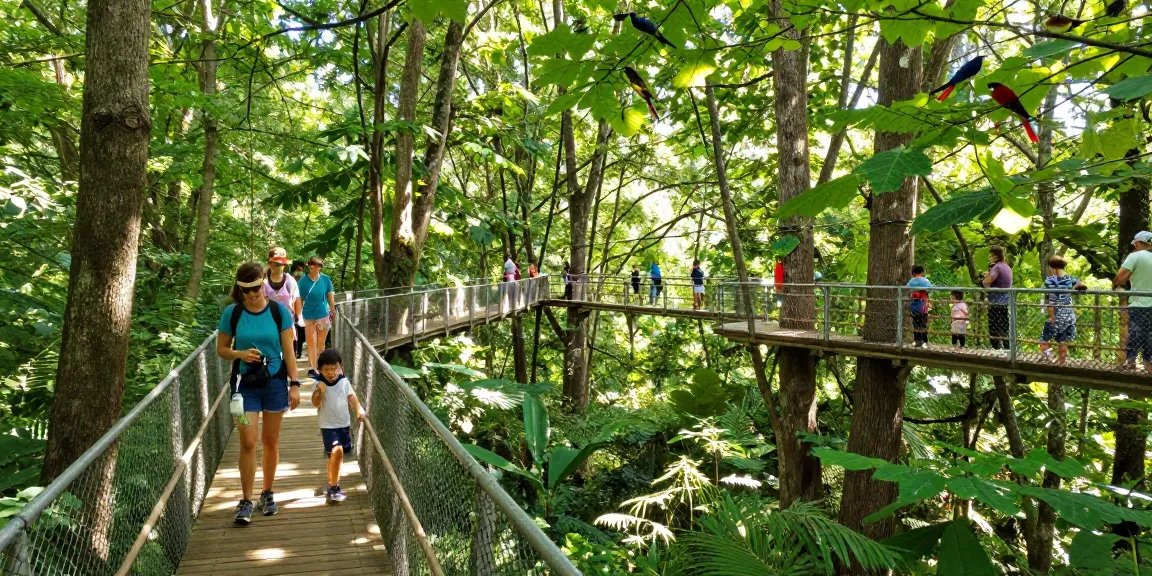
The Allure of Treetop Walkways
Imagine a serene stroll above the forest floor, surrounded by a vibrant tapestry of greenery. Treetop walkways offer a unique vantage point to immerse oneself in nature, combining adventure with education. These elevated pathways allow visitors to traverse the canopy, experiencing an ecosystem often overlooked from ground level. As they bridge the gap between earth and sky, treetop walkways cater to both thrill-seekers and nature lovers, making them a must-visit destination for families and outdoor enthusiasts alike. When exploring options, Treetop Walkway provides comprehensive insights into this fascinating experience.
What is a Treetop Walkway?
A treetop walkway is an elevated, pedestrian pathway designed to give guests a unique perspective of the forest canopy. These structures can vary in height, length, and design, from simple boardwalks to elaborate suspended bridges. Typically constructed from environmentally friendly materials, they are built to blend seamlessly with their surroundings while providing safe access to the treetops. Many treetop walkways include informative signage and interactive displays, offering visitors insights into the flora and fauna that inhabit this extraordinary environment.
History and Evolution of Treetop Walkways
The concept of treetop walkways has its roots in the late 20th century, with the first modern versions emerging in Europe and North America. These walkways were designed not only to enhance tourism but also to promote conservation awareness. Over the years, designs have evolved, incorporating sustainable materials and innovative engineering techniques. Today, treetop walkways can be found in various climates and terrains, providing diverse experiences that highlight the importance of preserving our natural world.
Benefits of Exploring Treetop Walkways
Exploring treetop walkways offers numerous benefits, both physically and mentally. Visitors can enjoy breathtaking views and connect with nature, which is known to reduce stress and improve mental well-being. Additionally, these walkways provide a unique opportunity to observe wildlife in their natural habitat, promoting an appreciation for biodiversity. Furthermore, treetop walkways often serve an educational purpose, with many designed to inform visitors about local ecosystems and the importance of conservation efforts.
Planning Your Visit to a Treetop Walkway
When planning a visit to a treetop walkway, it’s essential to consider a few key factors to ensure a memorable experience. From determining the best time to visit to essential tips for families, taking these aspects into account can enhance your adventure significantly.
Finding the Best Treetop Walkway Near You
With treetop walkways scattered across the globe, finding the best one for your needs is crucial. Research local options online, considering factors such as visitor reviews, accessibility, and the types of experiences offered. Many websites provide comprehensive maps and information on treetop walkways, ensuring that you can make an informed decision on where to go.
Essential Tips for Families Visiting Treetop Walkways
Visiting a treetop walkway can be a fantastic family outing. Here are some essential tips to ensure everyone has a great time:
- Arrive Early: Popular locations can get crowded, especially on weekends. Arriving early allows you to enjoy the walkway with fewer people around.
- Dress Comfortably: Wear comfortable clothing and sturdy shoes suitable for walking. Weather-appropriate attire is also essential, as conditions can change quickly in forest areas.
- Engage the Kids: Many treetop walkways have interactive exhibits or guided tours that can help keep children engaged and informed.
- Bring Snacks: Pack some light snacks and water to keep the energy levels up during your exploration.
What to Pack for Your Treetop Adventure?
When preparing for a treetop walkway visit, consider packing the following items to enhance your experience:
- Water Bottle: Staying hydrated is crucial, especially during warm weather.
- Camera: Capture the stunning views and memorable moments with a good camera or smartphone.
- Binoculars: Bring binoculars for a closer look at birds and wildlife in the canopy.
- First Aid Kit: It’s always wise to have a basic first aid kit on hand for any minor injuries.
Activities and Experiences on the Treetop Walkway
Treetop walkways offer a wealth of activities and experiences to engage visitors of all ages. Whether you’re an adventure seeker or looking for a peaceful retreat, there’s something for everyone.
Engaging Activities for Kids and Adults
Many treetop walkways include fun and interactive activities designed to entertain families. From adventure ropes courses that challenge your agility to educational scavenger hunts that encourage discovery, there is no shortage of ways to engage with the environment. Some locations also provide guided tours that delve into the ecology of the forest and its inhabitants.
Educational Opportunities at Treetop Walkways
In addition to recreational activities, treetop walkways often focus on educational experiences. Many pathways feature information boards that explain the local ecosystem, including the different tree species and animal life that reside within. This educational aspect can be particularly beneficial for children, fostering a sense of wonder and curiosity about the natural world.
Photography Tips for Capturing Your Treetop Adventure
Capturing the beauty of your treetop adventure requires some thought and planning. Here are a few photography tips to help you document your experience:
- Golden Hour: The best time for capturing stunning photos is during the golden hour, shortly after sunrise or before sunset.
- Wide-Angle Lens: Use a wide-angle lens to capture the expansive views from the walkway.
- Focus on Details: Don’t forget to take close-ups of the unique flora and fauna you encounter along the way.
- Experiment with Angles: Try different angles and perspectives to create dynamic and interesting photographs.
Safety Considerations and Best Practices
While treetop walkways are designed with safety in mind, it’s crucial to be aware of safety regulations and best practices to ensure a safe visit for all.
Understanding Treetop Walkway Safety Regulations
Each treetop walkway has specific safety guidelines intended to protect visitors. These typically include rules regarding the maximum number of visitors on the walkway at any given time, weight limits, and restrictions on running or climbing. Familiarising yourself with these regulations before your visit can help ensure a safe experience.
How to Ensure a Safe Experience for Your Family
To maximize safety during your visit, consider the following:
- Supervise Children: Always keep an eye on younger children, ensuring they understand the rules and stay on designated paths.
- Wear Appropriate Gear: Sturdy shoes and comfortable clothing can prevent accidents and enhance mobility.
- Stay Aware: Be mindful of your surroundings and attentive to any safety announcements or rules communicated by staff.
Common Misconceptions about Treetop Walkway Safety
Despite their elevated nature, many misconceptions surround the safety of treetop walkways. Some visitors may worry about heights or structural integrity. However, these walkways are engineered to support significant weight and designed with safety features such as railings and non-slip surfaces. Understanding these safety measures can alleviate concerns and enhance the enjoyment of the experience.
Future Trends in Treetop Walkways
The world of treetop walkways is constantly evolving as new designs and technologies emerge. Here’s a glimpse into what the future may hold for these elevated pathways.
Innovations in Treetop Walkway Design for 2026
As interest in treetop walkways grows, so does the need for innovative design solutions. Future walkways may incorporate features such as transparent sections, allowing visitors to look directly down at the forest floor, or integration with virtual reality experiences that educate visitors about the surrounding ecosystem. Eco-friendly materials and sustainable construction methods will likely continue to shape new designs, ensuring minimal environmental impact.
Eco-Friendly Practices in Treetop Walkways
Environmental consciousness is at the forefront of modern treetop walkway design. Many new projects focus on reducing their carbon footprint, utilizing sustainable materials, and enhancing biodiversity in the surrounding area. Future developments may include features like solar panels for energy efficiency and native plant restoration efforts that promote local wildlife habitats.
The Role of Technology in Enhancing Visitor Experience
Technology plays an increasingly vital role in improving the visitor experience at treetop walkways. Future pathways may incorporate augmented reality applications that provide interactive educational content, allowing visitors to learn more about the trees and wildlife they encounter. Furthermore, online booking systems and interactive maps can enhance planning and accessibility for visitors.
What is a Treetop Walkway?
A treetop walkway is an elevated path that allows visitors to explore the forest canopy while promoting environmental awareness.
Where can I find a Treetop Walkway?
Treetop walkways can be found in various locations worldwide, with many in national parks, botanical gardens, and nature reserves.
Are Treetop Walkways safe for children?
Yes, treetop walkways are generally designed with safety features to accommodate visitors of all ages, including children.
What should I bring for a Treetop Walkway visit?
When visiting a treetop walkway, it's advisable to bring a water bottle, camera, snacks, and a basic first aid kit.
How do Treetop Walkways promote environmental education?
Treetop walkways often feature informative displays and educational programs, which help raise awareness about local ecosystems and conservation efforts.