Understanding Rogers PTFE PCB Materials
Rogers PTFE (Polytetrafluoroethylene) is a specialized type of material commonly used in the fabrication of printed circuit boards (PCBs). Known for its exceptional properties, Rogers PTFE offers enhanced performance in high-frequency applications, making it a preferred choice for engineers working in telecommunications, aerospace, and other demanding sectors. This article explores the unique characteristics of Rogers PTFE materials, their advantages, common applications, challenges in fabrication, best practices, and the future of PCB technology.
What Makes Rogers PTFE Unique?
Rogers PTFE is renowned for its low dielectric constant and extremely low loss characteristics, which are paramount in high-speed and high-frequency circuit applications. The material comprises a combination of PTFE and woven glass reinforcement, providing enhanced mechanical strength while maintaining the inherent electrical properties of PTFE. This unique blend allows Rogers PTFE to operate efficiently in environments that demand high thermal and electrical performance.
Key Advantages of Using Rogers PTFE in PCB Fabrication
- Low Dielectric Loss: Rogers PTFE exhibits a dielectric loss tangent as low as 0.001, making it ideal for microwave and RF applications.
- Temperature Stability: The thermal stability of Rogers materials allows them to maintain performance across a wide temperature range, from -55°C to +200°C.
- Moisture Resistance: The hydrophobic nature of PTFE makes Rogers PCBs resistant to moisture absorption, leading to stable performance in humid conditions.
- High Thermal Conductivity: Certain formulations of Rogers materials include ceramic fillers that enhance thermal conductivity, improving heat dissipation in high-power applications.
When exploring options, Rogers PTFE PCB fabrication provides comprehensive insights into these outstanding properties and how they can benefit project outcomes.
Common Applications for Rogers PTFE PCBs
Rogers PTFE PCBs are widely utilized in various applications due to their superior performance characteristics. Some of the most common applications include:
- Telecommunications: In telecom infrastructure, Rogers materials are essential for RF filters, power amplifiers, and antenna designs.
- Aerospace and Defense: The aerospace sector uses Rogers PTFE for radar systems, satellite communications, and military electronics, where reliability is critical.
- Medical Devices: High-frequency medical devices, such as imaging equipment, benefit from the low-loss attributes of Rogers materials.
- Automotive: As vehicles evolve towards more advanced electronics, Rogers PCBs are increasingly utilized in radar and advanced driver-assistance systems (ADAS).
Challenges in Rogers PTFE PCB Fabrication
While Rogers PTFE offers numerous advantages, manufacturers face specific challenges when fabricating PCBs with these materials. Understanding these challenges is vital for businesses looking to implement Rogers technologies successfully.
Handling and Processing Difficulties
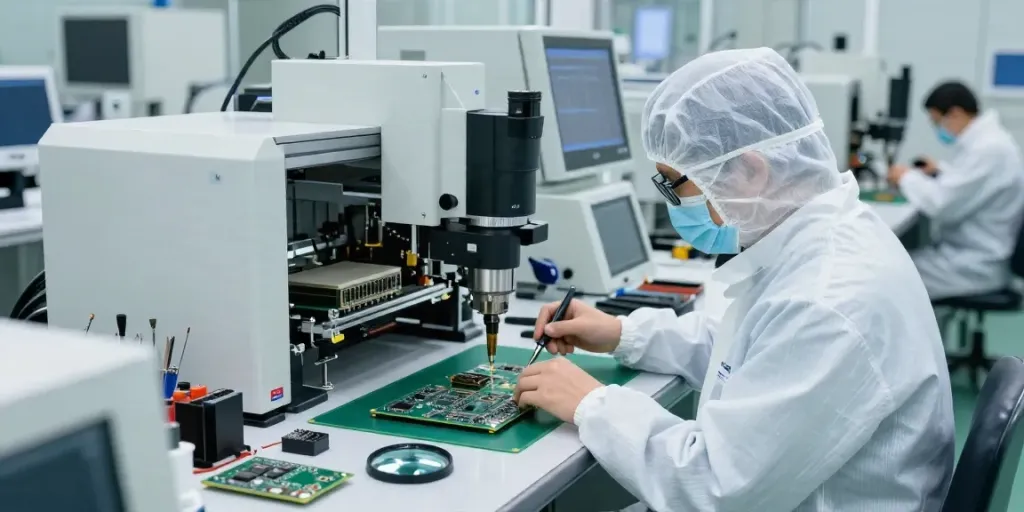
The processing of Rogers materials requires specialized equipment and techniques due to their unique physical properties. For instance, the high glass transition temperature of PTFE necessitates specific approaches in machining and etching to preserve the material's integrity. Additionally, the brittleness of some Rogers laminates can lead to difficulties in handling, necessitating careful storage and transport practices.
Cost-Effectiveness versus Performance
Although Rogers PTFE materials provide outstanding performance, they often come at a higher cost compared to traditional PCB materials like FR-4. Design engineers must balance their project's budget constraints with the need for high-performance characteristics, leading to critical decisions regarding material selection and overall design complexity.
Environmental Considerations in Manufacturing
As sustainability becomes a growing concern in electronics manufacturing, the environmental impact of producing Rogers PCBs is an important factor. The use of PTFE raises questions about environmental safety and disposal, as it is not biodegradable. Manufacturers are increasingly encouraged to explore environmentally friendly alternatives or recycling methods to mitigate adverse impacts.
Best Practices for Successful Rogers PTFE PCB Projects
To navigate the complexities of Rogers PTFE PCB fabrication, implementing best practices is crucial. These guidelines help ensure successful outcomes in design and production.
Optimal Design Techniques for High-Frequency Applications
Designing PCBs for high-frequency applications requires careful consideration of trace width, spacing, and geometry. Engineers should utilize simulation software to predict signal integrity and electromagnetic performance. Furthermore, minimizing parasitic inductance and capacitance through optimal layout design is essential for achieving stability in high-speed applications.
Quality Control Measures in PCB Production
Incorporating robust quality control measures during fabrication can prevent defects and ensure reliability. Routine inspections, automated optical inspection (AOI), and electrical testing are vital to identify issues early in the production process. Collaborating with experienced suppliers familiar with Rogers materials can also enhance quality assurance.
Choosing the Right Fabrication Partners
Selecting a PCB fabrication partner with expertise in Rogers PTFE materials significantly influences project success. Look for manufacturers who possess the necessary certifications and experience with high-frequency applications. Additionally, partners capable of providing engineering support can assist in optimizing designs for success.
Real-World Case Studies in Rogers PTFE PCB Use
Real-world applications highlight the capabilities of Rogers PTFE PCBs, showcasing innovative designs and their impacts on various industries.
Innovative Applications in Telecommunications
One notable case is the use of Rogers PTFE in the fabrication of 5G RF PCB modules. Manufacturers have effectively utilized low-loss Rogers substrates to create compact, high-frequency circuits that enable faster data transmission rates essential for next-generation communications.
Lessons from Successful High-Speed Designs
Companies developing high-speed data acquisition systems demonstrated the effectiveness of using Rogers PTFE to achieve minimal signal degradation over long transmission distances. By leveraging Rogers materials, these designs have set new benchmarks for performance in competitive markets.
Impact of Rogers PTFE PCBs on Market Trends
The increased adoption of Rogers PTFE materials is driving innovation in multiple sectors. The demand for more efficient power amplifiers and filters in RF communications has spurred investments in advanced PCB technologies, positioning manufacturers who utilize Rogers materials at the forefront of new market trends.
The Future of Rogers PTFE PCB Fabrication
As technology continues to evolve, Rogers PTFE PCB fabrication is set to undergo significant transformations. Emerging technologies will shape the landscape of PCB manufacturing in the coming years.
Emerging Technologies in PCB Manufacturing
Advancements in additive manufacturing, such as 3D printing, have the potential to revolutionize how PCBs are designed and produced. Utilizing Rogers materials in additive processes can lead to enhanced flexibility in design, enabling complex geometries that were previously challenging to achieve.
2026 Predictions for Rogers PTFE in Electronics
By 2026, the demand for Rogers PTFE PCBs is expected to grow, spurred by the proliferation of wireless technologies and the Internet of Things (IoT). The need for efficient, high-performance materials will likely drive innovation and design in next-generation electronics.
Strategies for Staying Ahead in PCB Innovation
To remain competitive, manufacturers must invest in research and development focused on improving the properties of Rogers PTFE materials. Collaborations with academia and industry research groups can yield breakthroughs that enhance material performance further.
What is Rogers material in PCB?
Rogers material refers to a range of high-frequency laminates manufactured using PTFE and other composite materials, designed for applications requiring excellent electrical performance.
What are the benefits of using Rogers PCBs?
The benefits of using Rogers PCBs include lower dielectric losses, enhanced thermal stability, moisture resistance, and superior mechanical properties, which are crucial for high-frequency applications.
How can I ensure quality in Rogers PTFE fabrication?
Quality assurance in Rogers PTFE fabrication can be ensured through rigorous testing, adherence to design guidelines, and selecting experienced fabrication partners who understand the material's nuances.
What industries benefit most from Rogers PTFE PCBs?
Industries such as telecommunications, aerospace, automotive, and medical devices benefit significantly from Rogers PTFE PCBs due to their performance in high-frequency environments.
What are common applications for Rogers PTFE PCB?
Common applications include RF and microwave communications, satellite equipment, medical imaging devices, and automotive radar systems, all of which require the unique properties offered by Rogers materials.