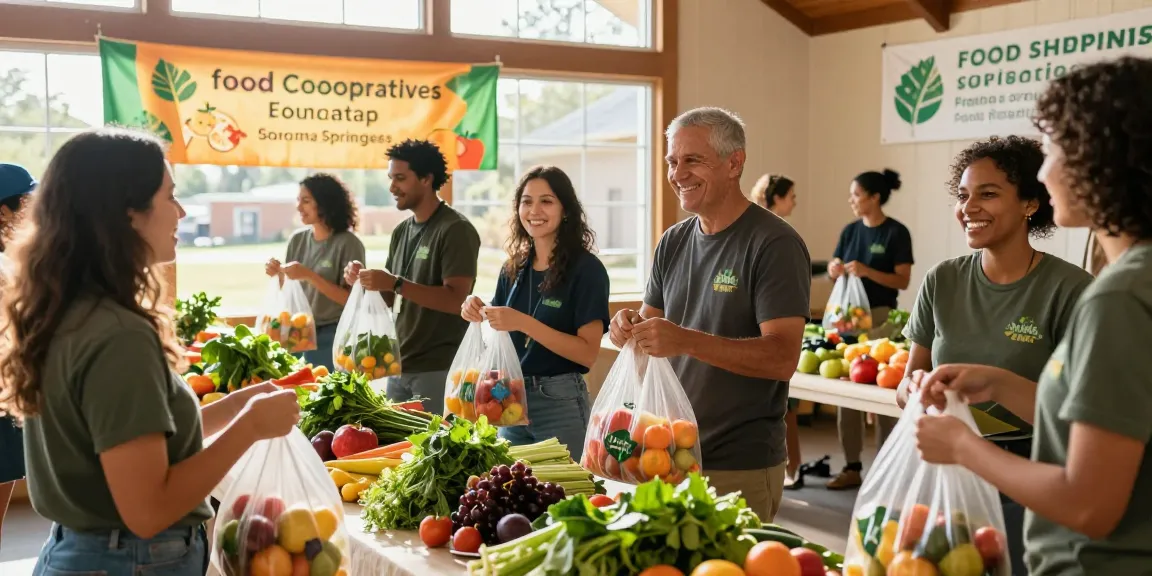
Understanding the Importance of Local Food Cooperatives
Food cooperatives play a crucial role in nurturing local agriculture and ensuring food security within communities. These cooperatives not only provide fresh, organic produce but also foster a sense of community and collaboration among residents. At Sonoma Springs Hall, we aim to promote these values while connecting local farmers with individuals in need of nutritious food options. For detailed information on our community initiatives, you can visit springshall.org.
What is a Food Cooperative?
A food cooperative, commonly known as a food co-op, is a member-owned business that aims to offer affordable, healthy food options. These cooperatives function on the principles of cooperation and sustainability, often sourcing produce from local farmers to minimize carbon footprint and support the regional economy. Members of the cooperative have a say in how the business is run, fostering a community spirit that prioritizes transparency and mutual benefit.
Benefits of Supporting Local Agriculture
There are numerous benefits to supporting local agriculture through food cooperatives:
- Fresh and Nutritious Produce: Local farms can deliver fresher produce, which retains more nutrients compared to items transported over long distances.
- Economic Support: Purchasing from local farmers helps keep money within the community, strengthening the local economy.
- Environmental Impact: Supporting local agriculture reduces the carbon footprint associated with transporting food over long distances, contributing to environmental sustainability.
- Community Bonds: Local food cooperatives enhance social interactions and build relationships among members, creating a strong network of support.
How Food Cooperatives Strengthen Community Bonds
Food cooperatives are more than just places to buy groceries; they are community hubs that foster relationships. By participating in local food initiatives, members engage in activities that promote a sense of belonging and shared responsibility. Many co-ops host events such as community meals, workshops, and local farm tours, further deepening these connections.
Active Programs at Sonoma Springs Hall
Overview of the Farmer’s Friend Initiative
The Farmer’s Friend initiative is a testament to the commitment of Sonoma Springs Hall to promote food access. This program connects local farmers with individuals facing food insecurity, providing fresh produce to those who need it most. Through partnerships with organizations like Sonoma Overnight Support, the initiative distributes surplus vegetables and fruits to families in the community, ensuring that everyone has access to healthy foods.
Partnerships with Local Farmers and Residents
Our collaborative efforts with local farms such as Oak Hill Farm and Paul’s Produce create a robust network that benefits everyone involved. These partnerships ensure that farmers can distribute their excess harvest while community members have access to affordable and nutritious food. The engagement of residents as volunteers in gleaning and food distribution further solidifies community ties and enhances participation.
Success Stories from Recent Food Distributions
Over the past year, the Farmer’s Friend initiative has successfully distributed thousands of pounds of produce. For example, during a recent distribution event, volunteers provided a diverse selection of vegetables—including kale, carrots, and locally sourced citrus fruits—to over 110 families. These success stories highlight not only the availability of fresh produce but also the dedication of community members who work together to ensure no one goes hungry.
How to Get Involved with springshall.org
Volunteering Opportunities at the Hall
Volunteering at Sonoma Springs Hall offers a unique opportunity to engage with the community while supporting local food initiatives. Volunteers can assist with organizing food distributions, aiding in events, or even participating in educational workshops. Many find volunteering to be both a rewarding experience and a way to make a tangible impact.
Donation Options and Impact
Monetary donations play a vital role in sustaining our programs. Contributions help purchase essential supplies and support local farmers in their efforts to provide fresh produce. Donors can choose to give directly through our website, ensuring their contributions are directed toward enhancing food access within our community.
Participating in Community Events and Markets
Sonoma Springs Hall hosts various community events and markets throughout the year, promoting local food and crafts. These events provide a space for residents to connect, learn about sustainable practices, and enjoy the bounty of local agriculture. Participation in these markets allows residents to buy fresh produce directly from farmers and supports local artisans as well.
Challenges Facing Food Cooperatives Today
Access to Fresh Produce in Low-Income Areas
One of the most significant challenges faced by food cooperatives is ensuring access to fresh, affordable produce in low-income areas. Food deserts, regions with limited access to healthy and affordable food, present barriers that local food cooperatives strive to overcome. Initiatives like mobile markets and partnerships with local organizations are essential to combat this issue.
Educational Barriers to Healthy Eating
Many people lack knowledge about the benefits of healthy eating and how to prepare nutritious meals. Food cooperatives often engage in educational outreach programs, teaching cooking skills and nutrition education to empower community members to make healthier dietary choices. These programs are vital in addressing misconceptions and improving overall community health.
Funding and Sustainability Concerns
Food cooperatives frequently face challenges regarding funding and sustainability. Limited financial resources can restrict the growth and impact of co-ops. By fostering partnerships with local governments, nonprofits, and other community stakeholders, cooperatives can secure the necessary support and resources to thrive.
The Future of Food Cooperatives in Sonoma Valley
Emerging Trends and Community Innovations
As we look ahead to 2026, local food cooperatives are likely to see growth in membership and community participation. Innovations such as online ordering systems and subscription-based models for produce delivery are emerging trends that can enhance access and convenience for busy families. Technology can play a crucial role in streamlining operations and increasing engagement.
Predicted Developments by 2026
By 2026, it is expected that more food cooperatives will adopt sustainable practices, including zero-waste policies and regenerative agriculture methods. The focus on environmental stewardship is not just a trend but a necessity for future generations. Community-supported agriculture (CSA) models are also set to expand, solidifying ties between farms and consumers.
How springshall.org Will Adapt to Future Needs
As community needs evolve, springshall.org will continuously adapt our programs and services. By focusing on feedback from the community, we plan to enhance our food distribution efforts, introduce more educational workshops, and explore new partnerships with local businesses. Our commitment to supporting local agriculture while ensuring food security remains at the forefront of our mission.
How can I volunteer at Sonoma Springs Hall?
Volunteering opportunities at Sonoma Springs Hall are open to anyone willing to contribute their time and skills. Interested individuals can reach out via our website or email to learn about upcoming volunteer events and how they can get involved.
What types of donations are most needed?
Monetary donations are always welcomed, as they allow us to purchase fresh produce and essential supplies. Additionally, contributions of non-perishable food items, hygiene products, and essential household goods are greatly appreciated and directly impact our community outreach efforts.
What events are upcoming at springshall.org?
Sonoma Springs Hall hosts various events, including community meals, educational workshops, and farmers' markets. For the latest information on upcoming events, check our calendar on the website or subscribe to our newsletter.
How do food cooperatives benefit the local economy?
Food cooperatives significantly benefit the local economy by keeping financial resources within the community. By sourcing products from local farmers, cooperatives stimulate economic activity and create jobs. They also support the growth of local businesses, fostering a vibrant economic environment.
What are the challenges faced by food cooperatives?
Food cooperatives face several challenges, including access to fresh produce in low-income areas, educational barriers to healthy eating, and funding sustainability. By addressing these challenges head-on through grassroots efforts and community engagement, cooperatives can continue to thrive and serve their mission.