Understanding Containerized Water Treatment Systems
As water demand continues to rise globally, the need for effective and adaptable water treatment solutions has never been greater. Containerized water treatment systems have emerged as a crucial technology, providing flexibility and efficiency for various applications in municipal and industrial settings. These systems are designed for rapid deployment, capable of being relocated and reused as necessary, which is particularly beneficial in dynamic environments. With advancements in technology, these systems not only ensure high-quality water production but also address increasing environmental concerns. When exploring options, containerized water treatment systems provide comprehensive insights into modern solutions tailored to specific needs.
What Are Containerized Water Treatment Systems?
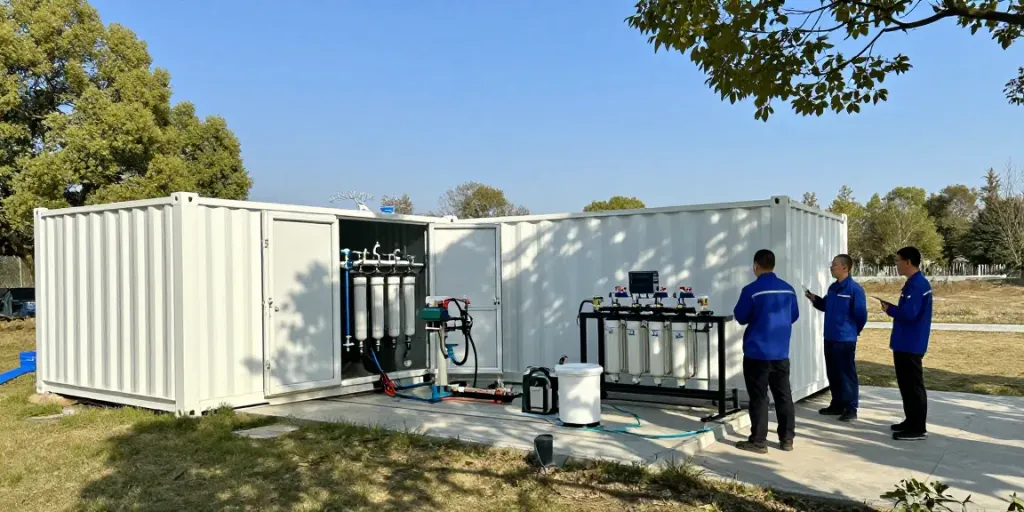
Containerized water treatment systems are modular units designed to deliver efficient water treatment processes within a compact footprint. Housed within ISO shipping containers, these systems can perform all the functions typically associated with conventional treatment plants, including filtration, disinfection, and purification. The modular approach allows for customization based on the specific quality of the incoming water and the desired treatment outcomes.
These systems excel in various scenarios, including municipalities in need of quick upgrades or additions to their existing water infrastructure, industries requiring high-purity water, and remote areas lacking centralized water treatment facilities. Their portability also allows for seamless transitions when site conditions change or when temporary solutions are required, making them an ideal choice for emergency situations.
Key Features of Containerized Systems
- Modularity: Easily customizable for different treatment processes.
- Rapid Deployment: Installation can be completed in as little as 3 to 7 days.
- Compact Design: Requires minimal on-site preparation and occupies significantly less space than traditional systems.
- Intelligent Control: Equipped with advanced monitoring systems that allow for real-time operational oversight and adjustments.
- High Reusability: Most systems can be easily relocated and have a reusability rate exceeding 90%.
How They Compare to Traditional Systems
When evaluating containerized water treatment systems against traditional systems, several key differences stand out. Traditional water treatment facilities often require extensive civil engineering, taking 3 to 6 months to construct, whereas containerized systems can be deployed in a fraction of that time. Furthermore, traditional systems often struggle with fixed setups, limiting their flexibility and adaptability.
Containerized solutions emphasize quality, intelligent control, and a lower environmental footprint, with many systems supporting up to 80% resource recycling capabilities, integrating reclaimed water reuse modules seamlessly. This contrasts with traditional water treatment systems, which usually have a recycling rate of less than 40%. Moreover, the construction quality of traditional facilities can vary greatly due to the reliance on manual labor, while containerized systems benefit from factory prefabrication and standardized inspections.
Advantages of Containerized Water Treatment Systems
Efficiency and Quick Deployment
The primary advantage of containerized water treatment systems is their efficiency in deployment. Instead of waiting months for traditional facilities to be built, municipal authorities and industries can have water treatment solutions operational within days. This rapid deployment is particularly beneficial in emergency situations, such as natural disasters or sudden influxes of population in a region, where immediate access to treated water is critical.
Space-Saving Solutions for Municipalities
Containerized systems are particularly advantageous for municipalities operating under space constraints. Traditional water treatment plants require large plots of land, often leading to complex site preparation initiatives. In contrast, containerized systems can be placed on any flat surface, requiring only minimal groundwork, thus saving valuable land resources.
Real-Time Monitoring and Control
Modern containerized water treatment systems come equipped with intelligent control technologies that enable real-time monitoring of water quality and operational parameters. This ensures that any fluctuations in the water supply can be promptly addressed, maintaining the integrity and safety of the water produced. Remote operation capabilities further enhance management efficiency, allowing operators to make adjustments without being physically present on-site.
Applications of Containerized Water Treatment Systems
Industrial Uses and Case Studies
Containerized water treatment systems have found extensive applications in various industries. For instance, the pharmaceutical industry relies on high-purity water for manufacturing processes. Containerized systems specifically designed for this sector ensure that the water meets stringent quality standards, such as those outlined by the FDA. Case studies demonstrate that facilities utilizing these systems have significantly minimized water quality issues while maintaining production efficiency.
Remote and Emergency Water Solutions
In remote areas where access to clean water is limited, containerized systems provide a viable solution. These systems can be deployed in challenging terrains, offering communities immediate access to treated water regardless of the local water quality. Emergency response teams also utilize containerized systems during disasters, ensuring that affected populations receive safe drinking water swiftly and efficiently.
Pharmaceutical and Laboratory Applications
High-purity water is crucial in laboratories and pharmaceutical applications. Containerized systems capable of producing ultra-pure water through advanced methods such as reverse osmosis ensure that sensitive processes achieve the necessary standards. By integrating these systems into their workflows, laboratories can maintain rigorous quality control while optimizing their operational costs.
Best Practices for Implementing Containerized Systems
Site Selection and Preparation
Choosing the right site for deploying containerized water treatment systems is critical. Ideal locations should have flat ground for easy placement and access to utilities such as electricity and drainage. Conducting thorough site assessments prior to installation can prevent future operational challenges and ensure the system functions effectively from the outset.
Integration with Existing Infrastructure
Effective integration with existing water infrastructure is essential for maximizing the benefits of containerized systems. Utilities should assess how these systems can complement or enhance their current operations, including connecting to main water lines and ensuring compatibility with treatment protocols. Proper integration also minimizes disruption to ongoing services during the transition.
Training and Operational Guidelines
Implementing a new containerized water treatment system requires comprehensive training for operational staff. Developing detailed operational guidelines ensures that personnel are equipped to manage the technology effectively, including regular maintenance protocols and emergency response procedures. Investing in training promotes system longevity and optimizes water quality outcomes.
The Future of Containerized Water Treatment Systems
Emerging Technologies and Innovations
The field of water treatment is continually evolving, and containerized systems are at the forefront of many innovations. Future advancements may include enhanced automation in monitoring and control processes, as well as the integration of artificial intelligence for predictive maintenance. These technologies promise to improve operational efficiency and further reduce costs in water treatment management.
Environmental Impact and Sustainability Trends
As global concerns around environmental sustainability grow, containerized water treatment systems are positioned to play a vital role. Their ability to recycle resources and provide localized solutions reduces the environmental impact associated with traditional water treatment facilities. Future trends suggest an increased focus on sustainable practices, including the use of renewable energy sources to power these systems.
Predictions for 2026 and Beyond
Looking ahead to 2026 and beyond, the demand for containerized water treatment systems is expected to rise significantly. With ongoing urbanization, population growth, and climate change challenges, the flexibility and efficiency of these systems will make them indispensable. Moreover, integrating more resilient technologies will enhance their ability to cope with the evolving demands of water treatment.
How Do Containerized Systems Improve Water Quality?
Containerized systems improve water quality by employing advanced treatment technologies such as reverse osmosis, UV disinfection, and membrane filtration. These methods effectively remove contaminants and pathogens, ensuring that the water produced meets or exceeds regulatory standards for safety and purity. Additionally, the ability to customize treatment processes based on specific water quality challenges further enhances their efficacy.
What Are the Cost Implications of Containerized Systems?
The initial investment in containerized water treatment systems can be lower compared to traditional facilities due to reduced construction time and site preparation costs. Operating costs are also typically lower, given the efficiency of these modular systems and their energy-saving features. Over time, the total cost of ownership tends to favor containerized solutions, especially in dynamic operational scenarios where flexibility is crucial.
Where Can Containerized Systems Be Deployed?
Containerized water treatment systems can be deployed in a variety of settings, including urban environments, remote communities, temporary construction sites, and disaster-stricken areas. Their portability and adaptability allow them to function effectively in diverse conditions, making them a versatile solution for many water treatment needs.
What Maintenance is Required for These Systems?
Maintenance requirements for containerized systems vary based on the technology employed and the specific application. Generally, periodic inspections, routine cleaning, and replacement of consumables (such as filters) are necessary to ensure optimal performance. Developing a comprehensive maintenance schedule can help mitigate unexpected downtime and maintain water quality standards.