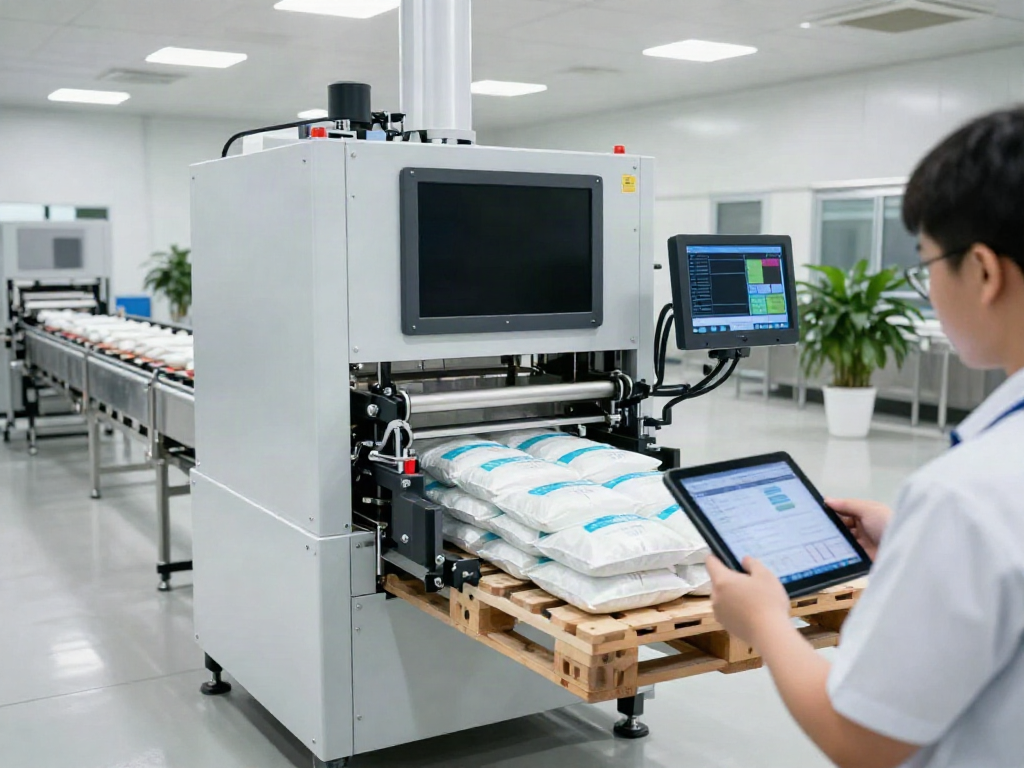
Understanding Custom Configurator Software for Factories
As manufacturers increasingly face the challenges of meeting diverse customer demands in a fast-evolving market landscape, the need for innovative solutions becomes paramount. Custom configurator software emerges as a vital tool for factories aiming to enhance their production processes and streamline customer interactions. This software offers a system that allows users to tailor products according to specific requirements, making complex manufacturing more accessible and efficient. By integrating a configurator into your operations, you align your business processes with customer needs, ensuring a more seamless experience. Companies like Configurix specialize in providing custom configurator software for factories designed to simplify this integration.
What is Custom Configurator Software?
Custom configurator software is a specialized tool that enables manufacturers to create personalized products based on individual customer specifications. Whether it’s for complex machinery, custom furniture, or intricate components, this software allows customers to select various attributes like size, color, features, and materials. The software validates these choices against manufacturing capabilities, ensuring that the final product is not only tailored to customer preferences but also feasible for production.
At its core, configurator software bridges the gap between customer desires and manufacturing realities, allowing factories to present their product offerings in an intuitive and easily navigable format. This real-time visualization helps clients understand their choices and see how their selections will impact the final product, thus enhancing customer satisfaction and reducing the likelihood of errors during manufacturing.
Benefits of Custom Configurator Software for Factories
Implementing custom configurator software can revolutionize manufacturing operations. Below are some key benefits:
- Improved Customer Engagement: Custom configurators enable customers to interact directly with the product design, leading to higher satisfaction rates.
- Streamlined Production Processes: By automating the configuration and quoting process, factories can reduce lead times and improve overall efficiency.
- Enhanced Accuracy: Automated validation of product specifications helps minimize errors in orders and production, ensuring that final products meet customer expectations.
- Flexible Pricing Models: Configurators can dynamically update prices based on customer selections, ensuring quoted prices are accurate and reflective of the chosen configurations.
- Data Insights: The software collects valuable data on customer preferences and choices, aiding in inventory management and production planning.
Key Features to Look For
When evaluating custom configurator software for your factory, consider these essential features:
- User-Friendly Interface: The configurator should be intuitive and easy to use, allowing customers to navigate through product options effortlessly.
- Real-Time Visualization: 3D modeling capabilities can help customers visualize their selections and understand the impact of their choices.
- Integration Capabilities: Look for software that can seamlessly integrate with your existing ERP, CRM, and other business systems to enhance workflow efficiency.
- Custom Workflows: The ability to tailor workflows according to your production processes is crucial for maximizing efficiency.
- Robust Reporting Tools: Effective reporting tools can provide insights into sales trends, customer preferences, and production efficiencies.
Implementing Custom Configurator Software in Your Factory
Adopting custom configurator software in your factory involves careful planning and execution. This ensures that the tool aligns with your operational requirements and effectively meets customer needs.
Initial Steps for Adoption
The first step in successfully implementing custom configurator software is to assess your current processes. Identify pain points in product configuration, quoting, and order processing. This analysis will help you determine how the software can best serve your needs. Next, involve stakeholders from various departments, including sales, production, and IT, to gather insights on specifications and requirements. A comprehensive understanding of your operations will lead to the creation of a tailored solution that properly fits your factory's workflow.
Identifying Integration Needs
To maximize the benefits of custom configurator software, it’s essential to identify how it will integrate with your existing systems. Determine which software or platforms need to communicate with the configurator, such as your ERP for order processing or CRM for managing customer information. Establishing clear data flows and integration points will facilitate smoother operations and reduced redundancy in data entry.
Common Pitfalls to Avoid
During the implementation of a custom configurator, several common pitfalls can hinder success. One key mistake is underestimating the complexity of product configurations. Ensure that your software can handle all variations and options that your factory offers. Additionally, neglecting user training can lead to poor adoption rates among your team members. Make sure that thorough training sessions are conducted to familiarize staff with the new tool, ensuring that they understand its functionalities and benefits.
Enhancing Customer Experience with Custom Configurator Software
Custom configurator software is not just about internal efficiencies; it plays a crucial role in enhancing the overall customer experience. By providing customers with the tools they need to visualize and customize their orders, manufacturers can foster deeper connections and greater satisfaction.
Guiding Customers Throughout the Customization Process
A well-designed configurator guides customers through the customization process, highlighting available options and ensuring they understand how their choices impact the final product. The software should include helpful prompts and visual aids to assist customers in making informed decisions.
Real-Time Pricing and Quoting
Real-time updates on pricing as customers make selections enhance transparency and trust. This feature ensures that clients receive immediate feedback on their choices, allowing them to adjust configurations based on budgetary constraints seamlessly. By generating accurate quotes instantly, manufacturers can streamline the sales process, reducing the time between proposal and order.
Leveraging Feedback for Continuous Improvement
Encouraging customer feedback after the configuration process can provide invaluable insights into how to improve your offerings. Analyze feedback to identify common requests or issues, and use this information to refine your products and configurator tool continuously. This iterative process not only enhances customer satisfaction but also positions your factory as a responsive and customer-oriented business.
Case Studies: Successful Implementations
Examining real-world implementations of custom configurator software can provide significant insights into its advantages and optimal application. Below are two notable examples.
Elite Aluminum's Journey with Configurix
Elite Aluminum successfully integrated Configurix’s custom configurator software to create a seamless ordering system for their pergola and sunroom products. The configurator enabled customers to select various design options, such as panel configurations and finishes, while automatically generating accurate quotes that included SKU numbers for better inventory management. This streamlined the sales process and significantly reduced order errors.
Tenteks Italia: Streamlining Production with Custom Solutions
Tenteks Italia implemented a multi-product configurator that allowed for the configuration of pergotenda and bioclimatic pergolas. The software was designed to cater to a diverse range of customer needs while ensuring compliance with factory capabilities. By utilizing Configurix’s technology, Tenteks was able to facilitate better communication between sales and production teams, leading to a more efficient manufacturing process.
Lessons Learned from Real-World Applications
Both case studies demonstrate the importance of thorough planning and integration when implementing custom configurator software. The need to understand customer needs and align them with manufacturing capabilities is crucial for success. Moreover, the ability to adapt the configurator to evolving market demands yielded improved customer satisfaction and enhanced business performance.
Future Trends in Custom Configurator Software for Factories
As we look ahead to 2026 and beyond, the landscape of custom configurator software for factories is rapidly evolving. Staying ahead of trends will be crucial for manufacturers aiming to maintain a competitive edge.
Emerging Technologies to Watch in 2026
Emerging technologies, such as augmented reality (AR) and virtual reality (VR), are set to revolutionize how customers interact with custom configurators. By allowing customers to visualize products in their actual environments, these technologies can enhance the customization experience, making it more immersive and engaging.
AI and Machine Learning Innovations
AI and machine learning will play a pivotal role in optimizing configurator software. These technologies can analyze customer behavior and preferences, allowing for predictive customization and personalized recommendations. By leveraging existing data, manufacturers can enhance the configurator’s usability and tailor recommendations to individual customers.
Adapting to Evolving Customer Demands
As consumer preferences continue to change, manufacturers must be agile and adaptable. Custom configurator software should allow for quick adjustments in configurations, pricing models, and product offerings to meet shifting demands. The ability to respond to market trends and customer feedback will set successful manufacturers apart in an increasingly competitive landscape.
What are the advantages of custom configurator software for factories?
Custom configurator software offers various advantages, including improved customer engagement, streamlined production processes, enhanced accuracy in orders, flexible pricing models, and valuable data insights, ultimately leading to increased efficiency and customer satisfaction.
How can I implement custom configurator software effectively?
To implement custom configurator software effectively, assess your current processes, involve stakeholders in requirement gathering, identify integration needs with existing systems, and provide thorough training to staff to ensure adoption and effective use of the tool.
What features should I prioritize in configurator software?
Key features to prioritize include a user-friendly interface, real-time visualization capabilities, integration with existing systems, customizable workflows, and robust reporting tools to track performance and customer preferences.
Are there industry-specific considerations for choosing software?
Yes, the complexity of your products, specific manufacturing requirements, and customer needs can dictate the choice of configurator software. Tailoring the software to these unique parameters will yield the best results.
What does the future hold for custom configurator software?
The future of custom configurator software will likely be shaped by emerging technologies such as AR, VR, and AI, enhancing the customization experience and enabling manufacturers to adapt quickly to evolving customer demands.