Understanding Rhinoplasty: What You Need to Know
Rhinoplasty, commonly referred to as a nose job, is one of the most sought-after cosmetic procedures worldwide. This intricate surgery not only transforms the appearance of the nose but also addresses functional issues that may arise due to structural abnormalities. For those considering this procedure, understanding the nuances involved is vital. Comprehensive knowledge equips patients to make informed decisions, ensuring their expectations align with possible outcomes. For insight into the innovative practices in the field, Dr Chacra provides invaluable information regarding cutting-edge approaches and patient care strategies.
What is Rhinoplasty?
Rhinoplasty is a surgical procedure that alters the shape of the nose to enhance its aesthetic appeal or improve functionality. The surgery can involve reshaping the nose, altering its size, and correcting various imperfections. The techniques can range from traditional methods to advanced minimally invasive procedures, depending on the individual's specific needs.
Common Reasons for Rhinoplasty
- Aesthetic Preferences: Many individuals choose rhinoplasty to achieve a desired look, whether that means narrowing a wide nose, removing a hump, or creating a more balanced profile.
- Structural Issues: Some patients may have congenital deformities or injuries that hinder normal function, such as difficulty breathing, which can be addressed through rhinoplasty.
- Revision Surgery: Individuals seeking to correct a previous rhinoplasty that did not yield the desired results can also benefit from this procedure.
Patient Education: Key Considerations
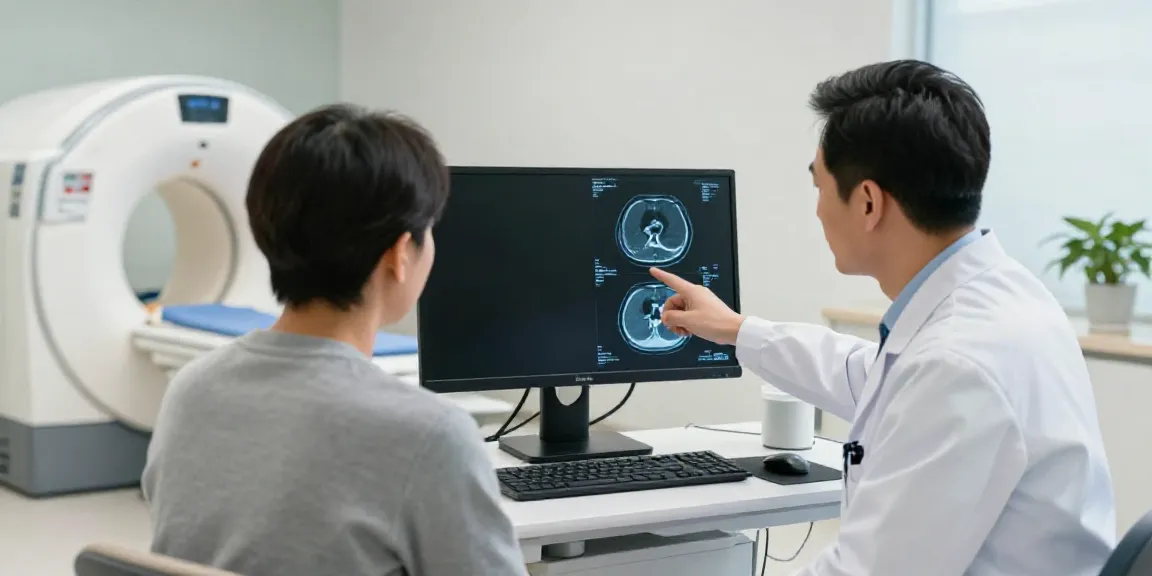
Education plays a pivotal role in the rhinoplasty process. Patients should engage in comprehensive consultations where they can express their expectations, concerns, and gain clarity about the procedure. With the help of advanced technologies, surgeons like Dr. Zahi Abou Chacra ensure that patients are well-informed about the risks and rewards associated with rhinoplasty.
Dr Chacra's Approach to Patient Care
Dr. Zahi Abou Chacra, a leading figure in the field of rhinoplasty, emphasizes the importance of patient-centered care. His approach involves creating an environment where patients feel comfortable and understood. By focusing on the individual, he ensures that each patient receives personalized attention throughout their surgical journey.
Consultation Process: Building Trust
The consultation is a critical step in the rhinoplasty process. During this time, Dr. Chacra takes the opportunity to understand the patient's desires and fears, building a rapport based on trust. He conducts a thorough medical history review and discusses the intricacies of the surgery, the expected recovery, and potential risks. This comprehensive communication fosters a sense of confidence in patients, making them feel well-prepared for their journey ahead.
Importance of Informed Decisions
Empowering patients with scientific information is a cornerstone of Dr. Chacra's philosophy. He believes that informed patients are more confident in their decisions. This perspective is supported by research indicating that understanding the surgical process reduces anxiety and contributes to a positive overall experience. With the internet providing a wealth of resources, patients often arrive with preliminary knowledge; however, verifying this information through professional guidance is crucial.
Post-Surgery Support: What to Expect
Post-operative care is as vital as the surgery itself. Dr. Chacra ensures that patients receive meticulous follow-up care, which includes managing pain, monitoring healing processes, and addressing any concerns that may arise. This continued support plays a significant role in achieving optimal results and enhancing patient satisfaction.
Innovative Techniques in Rhinoplasty
Innovation in rhinoplasty is essential for enhancing both patient outcomes and experiences. Dr. Chacra continuously seeks to integrate the latest techniques and technologies into his practice, providing his patients with the best possible care.
Advancements in 3D Imaging Technology
One of the most exciting developments in rhinoplasty is the use of advanced 3D imaging technology. This allows patients to visualize potential outcomes before surgery, offering a more accurate representation of how their noses might look post-procedure. By utilizing this technology, Dr. Chacra can align patient expectations with realistic results.
Minimally Invasive Procedures Explained
Minimally invasive techniques in rhinoplasty are gaining popularity due to their reduced recovery times and lower complication rates. These approaches often involve smaller incisions and advanced surgical methods that prioritize patient comfort while achieving remarkable results.
Ultrasonic Rhinoplasty: A Game Changer
Among the most groundbreaking techniques is ultrasonic rhinoplasty, which utilizes ultrasonic technology to reshape nasal bones with incredible precision. This method minimizes trauma to the surrounding soft tissues and can lead to quicker healing and less postoperative discomfort, making it an attractive option for many patients.
The Future of Rhinoplasty: Trends to Watch in 2026
The rhinoplasty landscape is evolving rapidly, driven by technological advancements and changing patient expectations. As we look towards 2026, several trends are emerging that could shape the future of this field.
Technological Advances on the Horizon
Emerging technologies such as artificial intelligence and augmented reality are expected to play significant roles in surgical planning and execution. These innovations could lead to even more personalized surgical experiences, enhancing accuracy and outcomes for patients.
Shifts in Patient Expectations and Experience
Today's patients are more informed and proactive regarding their healthcare decisions than ever before. This shift necessitates that surgeons not only perform high-quality procedures but also create comprehensive, transparent patient experiences that emphasize education and support.
Emerging Techniques and Best Practices
As new techniques are developed, continuous education for surgeons will be imperative. Rhinoplasty specialists must engage in lifelong learning to stay at the forefront of their practice, ensuring they can provide their patients with the best, most effective treatments available.
Frequently Asked Questions about Dr Chacra's Practice
What makes Dr Chacra different from other surgeons?
Dr. Zahi Abou Chacra stands out due to his dedication to innovation and patient-centered care. His focus on personalizing the surgical experience and employing advanced techniques sets him apart in the competitive field of rhinoplasty.
How does Dr Chacra ensure patient safety?
Safety is paramount in Dr. Chacra's practice. He employs rigorous screening processes, advanced surgical techniques, and comprehensive post-operative care to ensure the highest standards of safety for all patients.
What should I prepare for before a rhinoplasty?
Preparation involves thorough preoperative consultations, medical evaluations, and understanding the financial aspects of the procedure. Patients should also mentally prepare for the recovery process, which may include time off work and support systems in place.
How long is the recovery process for a rhinoplasty?
Recovery times can vary by individual; however, most patients can expect to experience swelling and discomfort that diminishes over several weeks. Full results may take several months to manifest as tissues heal and settle.
What are the risks associated with rhinoplasty?
As with any surgical procedure, rhinoplasty carries risks such as infection, bleeding, anesthesia complications, and dissatisfaction with aesthetic results. Dr. Chacra ensures that all patients are informed of these risks during the consultation process.