Understanding Facial Analysis Services
In the evolving landscape of beauty and self-improvement, facial analysis services have gained significant traction. These services use advanced technology, including artificial intelligence (AI) and human insight, to provide users with personalized insights into their appearance. With the increasing popularity of platforms like QOVES, many users are exploring alternatives that might better meet their needs or budget. When exploring options, Alternatives to QOVES provide comprehensive insights into different services available in the market.
What Are Alternatives to QOVES?
Alternatives to QOVES refer to various facial analysis platforms that offer similar or distinct features compared to QOVES. While QOVES charges an annual fee for detailed facial analysis, the market includes both free and subscription-based services that cater to a diverse audience. Understanding what these alternatives offer can help users make informed decisions tailored to their expectations regarding aesthetics and feedback.
The Technology Behind Facial Analysis
The facial analysis industry leverages cutting-edge technology, predominantly AI algorithms, to assess various aesthetic factors. Features typically include:
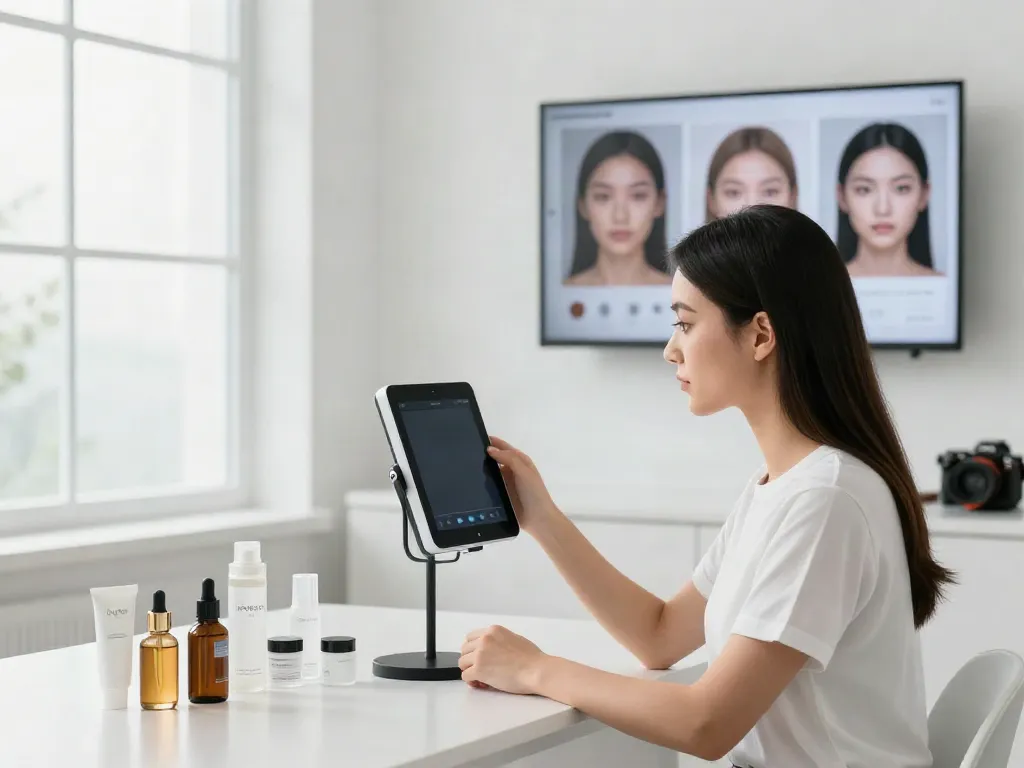
- Image Analysis: AI scans users' selfies to evaluate facial symmetry, skin quality, and overall attractiveness.
- Personalized Recommendations: Based on analysis results, platforms suggest enhancements in grooming, skincare, and lifestyle.
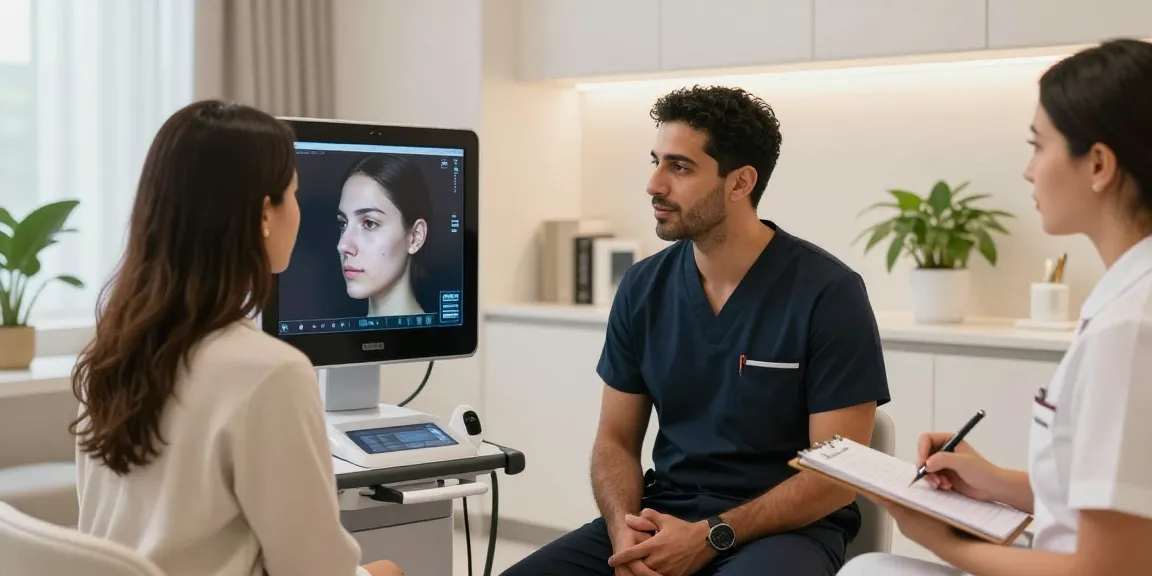
- Human Review: Some services incorporate trained aesthetics specialists to review AI-generated results, providing an added layer of assurance.
This combination of AI and human oversight represents the industry’s push towards more accurate and personalized guidance, addressing individual user concerns.
Comparing Membership Models and Services
The membership models of various facial analysis services vary wildly. Some require a one-time fee, while others operate on subscription models. A clear understanding of these models can help users determine which service aligns with their financial preferences:
- One-Time Payments: Some apps, like Facet, offer lifetime access for a single payment, making it a cost-effective option for users.
- Monthly Subscriptions: Services such as ClinicEvo charge a monthly fee, allowing users flexibility in maintaining access as per their needs.
- Free Services: Apps like PrettyScale provide basic scoring without any cost, making them ideal for those unwilling to invest upfront.
Top Alternatives to QOVES
ClinicEvo: Full Analysis with Human Review
ClinicEvo presents a compelling alternative to QOVES by offering a comprehensive analysis that combines AI-generated insights with human expertise. For only $12 a month, subscribers receive a detailed report reviewed by trained aesthetics specialists. This ensures that users not only get a score but also understand the reasoning behind their evaluations, making it a richer experience.
Umax: Instant Scoring App
Umax is another popular choice among users looking for quick feedback. This app leverages AI technology to provide instant facial attractiveness scores based on selfies. While it may lack the depth of human-reviewed reports, its immediate scoring can serve as a valuable tool for those seeking rapid insights.
LooksMax AI: AI-based Attractiveness Ratings
Similar to Umax, LooksMax AI focuses on providing attractiveness ratings and improvement suggestions. This reliance on AI means results are available almost instantly, allowing users to tweak their appearances quickly if desired. While it’s efficient, users should evaluate whether the absence of a human review influences their desired outcomes.
Evaluating Service Features and Costs
Key Features to Look for in Alternatives
When seeking alternatives to QOVES, there are several crucial features worth considering:
- Human Review: Determine if the service includes a human oversight component, as this can significantly enhance analysis accuracy.
- Score vs. Plan: Understand whether the service offers a simple score or a detailed plan outlining actionable steps for improvement.
- Long-Term Tracking: Consider services that offer ongoing tracking or analysis after the initial report, providing continuous guidance.
Pricing Comparison: What You Get for Your Money
Pricing structures vary among facial analysis services, and understanding these can help in making an informed decision:
- QOVES: $150 per year for a full membership.
- ClinicEvo: $12 per month, totaling about $144 annually.
- Umax: Free for basic scoring; other features may require additional payments.
- LooksMax AI: Typically operates on a freemium model, offering basic features for free and premium options for a fee.
Users should also evaluate the long-term value and features offered at various price points to find the best fit.
Long-term Value and Subscription Models
When evaluating alternatives, consider not only the immediate costs but also the long-term value of each service. Subscription models may appear lower initially but can accumulate significant charges over time if not managed carefully. It’s essential to analyze both short- and long-term costs against the features provided.
User Experience and Results
Real User Feedback and Reviews
User feedback plays a critical role in assessing the effectiveness of facial analysis services. Platforms like Reddit often have discussions detailing personal experiences, helping prospective users understand the strengths and weaknesses of each service. Many users appreciate detailed plans from services like ClinicEvo, while others enjoy the instantaneous feedback offered by Umax.
Success Stories from Users of Alternatives
Several users have shared their success stories after using alternatives to QOVES. From improved self-esteem to tangible enhancements in their appearance, these narratives can provide motivation for those considering such services. Many found that a combination of AI assessments and professional human reviews helped them refine their aesthetic goals effectively.
Common Challenges and Misconceptions
Despite the benefits, some common challenges and misconceptions persist regarding facial analysis services. Users often doubt the accuracy of AI assessments, while others question the necessity of human reviews. Additionally, some believe that free services lack valuable insights, which isn't always the case. Engaging with client testimonials and credible reviews can help dispel these misconceptions.
Future Trends in Facial Analysis Technology
Innovations on the Horizon for 2026
The facial analysis industry is set to experience several innovations in 2026, driven primarily by advances in technology. Expect to see more sophisticated AI algorithms capable of providing deeper insights, including predictive analytics for long-term facial changes.
Emerging Competitors and New Services
New services continue to emerge, often utilizing cutting-edge technology and innovative business models. As competition increases, users can anticipate better services at lower prices, enhancing the overall market for facial analysis tools.
The Impact of AI on Beauty and Aesthetics
AI’s expanding influence on beauty and aesthetics is noteworthy. As algorithms become more refined, they promise to offer more personalized and effective guidance. This evolution could redefine standards of beauty, moving towards a more inclusive and individualized approach.