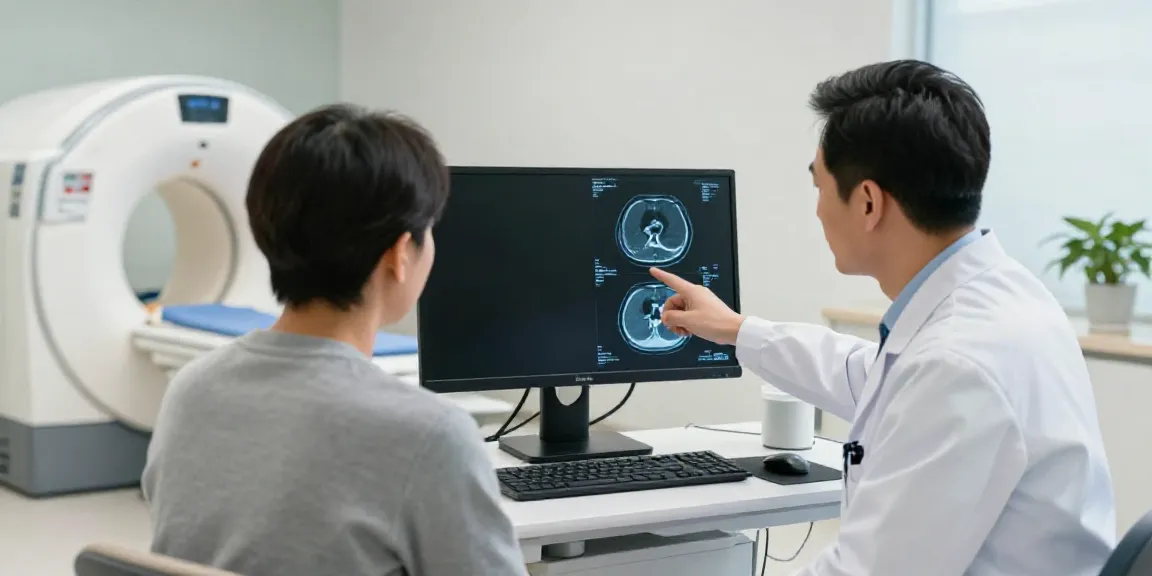
Understanding Prostate Cancer: Overview and Statistics
Prostate cancer is a prevalent health concern for men worldwide, particularly in the United Arab Emirates, where the rates of diagnosis have been steadily increasing. This cancer originates in the prostate gland, an essential part of the male reproductive system. Given the complexity of prostate cancer and its potential implications, it is crucial for men to understand its nature, statistics, and the available treatment options. When exploring options, Prostate cancer treatment UAE offers comprehensive insights into the programs available for managing this disease effectively.
What is Prostate Cancer?
Prostate cancer occurs when cells in the prostate gland begin to grow uncontrollably, forming malignancies that can disrupt normal functions. The prostate itself is a small gland located below the bladder and surrounds the urethra—the tube responsible for transporting urine and semen out of the body. Understanding the characteristics of prostate cancer, including its stages and grades, is vital for early detection and treatment.
Statistics on Prostate Cancer in UAE
Prostate cancer statistics in the UAE indicate that it is the most commonly diagnosed cancer among men in the region. Reports suggest that one in six men will be diagnosed with prostate cancer in their lifetime, with the incidence increasing significantly with age. The age-standardized rate of prostate cancer in the UAE is estimated to be between 25 and 30 per 100,000 men, which is considerably higher than many parts of the world. These figures highlight the pressing need for awareness and proactive health measures.
Common Misconceptions about Prostate Cancer
Many misconceptions surround prostate cancer, one of which is the belief that it only affects older men. While age is a significant risk factor, younger men can also develop prostate cancer. Another common myth is that a diagnosis of prostate cancer is a death sentence; in reality, many men live long and healthy lives after treatment. Clearing up these misconceptions is essential for encouraging early screening and timely interventions.
Symptoms and Risk Factors of Prostate Cancer
Recognizing the symptoms and risk factors associated with prostate cancer can significantly affect outcomes. Early detection improves the chances of successful treatment and recovery.
Recognizing Early Symptoms of Prostate Cancer
Prostate cancer often develops without noticeable symptoms in its early stages. However, as the disease progresses, men may experience certain signs that should not be ignored. Common early symptoms include:
- Frequent urination, especially at night
- Difficulty starting or stopping urination
- A weak or interrupted urine flow
- Painful or burning sensation during urination
- Blood in urine or semen
Men experiencing any of these symptoms should consult a healthcare professional for further evaluation.
Identifying Risk Factors Associated with Prostate Cancer
Several factors may increase an individual's risk of developing prostate cancer. These include:
- Age: Increased risk as men age, particularly over 50
- Family history: A history of prostate cancer in close relatives can elevate risk
- Ethnicity: African American men have a higher incidence
- Diet and lifestyle factors: High-fat diets and obesity may contribute
Awareness of these risk factors can help men take preventive measures and seek regular screenings.
How Lifestyle Choices Impact Risk Levels
Making informed lifestyle choices can decrease the risk of prostate cancer. Regular physical activity, maintaining a healthy weight, and consuming a balanced diet rich in fruits, vegetables, and low in red meat can support prostate health. Additionally, limiting alcohol consumption and avoiding smoking may contribute to reducing overall cancer risk.
Diagnosis Process for Prostate Cancer Treatment in UAE
The diagnosis of prostate cancer is a critical step that sets the stage for effective treatment. The process involves multiple assessments aimed at accurately identifying the disease and understanding its severity.
Initial Assessment and Screening Procedures
Initial assessment typically begins with a routine health check, where a healthcare provider may perform a digital rectal examination (DRE) to feel for abnormalities in the prostate. A blood test to measure prostate-specific antigen (PSA) levels is also crucial, as elevated levels can indicate prostate cancer or other conditions.
Advanced Diagnostic Techniques Utilized
In cases where cancer is suspected, advanced diagnostic techniques are employed. These may include:
- MRI scans: Provide detailed images of the prostate and surrounding tissues
- Biopsy: A tissue sample may be taken from the prostate to assess for cancerous cells
- Fusion biopsy: Combining ultrasound with MRI images for precise targeting
These advanced techniques enhance the accuracy of diagnosis and facilitate a tailored treatment plan.
Importance of Multidisciplinary Approach in Diagnosis
A multidisciplinary approach is essential for accurate diagnosis and effective treatment planning. In facilities such as Cleveland Clinic Abu Dhabi, specialists from various disciplines collaborate to review cases, ensuring that each patient receives a comprehensive evaluation and an individualized treatment strategy.
Innovative Treatments for Prostate Cancer
The treatment landscape for prostate cancer is continually evolving, with several innovative options available to patients in the UAE.
Minimally Invasive Surgical Options Available
Minimally invasive surgical techniques have transformed prostate cancer treatment, offering patients faster recovery and fewer complications. Laparoscopic and robotic-assisted surgeries allow for precise removal of tumors with smaller incisions, resulting in less postoperative pain and quicker return to daily activities.
Radiation Therapy Advances in the UAE
Radiation therapy has also seen significant advancements, with techniques like stereotactic body radiation therapy (SBRT) providing targeted treatment that minimizes damage to surrounding tissues. These modern approaches can be effective in treating localized prostate cancer, often with shorter treatment courses compared to traditional methods.
Emerging Non-Surgical Treatment Methods
In addition to surgical and radiation therapies, emerging non-surgical treatments, such as enzyme inhibitors and immunotherapy, are gaining traction. These innovative approaches may offer new hope for patients whose cancer is more advanced or resistant to conventional therapies.
Ongoing Care and Support for Prostate Cancer Patients
After initial treatment, ongoing care and support are crucial for maintaining quality of life and monitoring for potential recurrence.
Post-Treatment Monitoring and Side Effect Management
Patients undergo regular follow-ups to monitor health status and manage any side effects from treatments. This can include physical rehabilitation, hormonal therapy, and other supportive measures to enhance recovery and overall well-being.
Emotional and Psychological Support Systems
The emotional impact of a prostate cancer diagnosis should not be overlooked. Many healthcare facilities offer support groups, counseling services, and educational resources to help patients and their families navigate the emotional challenges of cancer treatment.
Patient Stories and Successful Outcomes
Sharing patient stories can provide encouragement and hope for those navigating their prostate cancer journey. Many men have successfully managed their diagnosis, leading fulfilling lives post-treatment, thanks to the advancements in care and support systems available in the UAE.
What Should You Expect During Treatment?
Understanding what to expect during treatment can greatly alleviate anxiety for patients. Each treatment plan is tailored to the individual's circumstances, and discussions with healthcare professionals will outline potential side effects, duration of treatment, and follow-up protocols to ensure comprehensive care.