Understanding the Role of an Electrical Components Manufacturer
The role of an Electrical components manufacturer is pivotal in various industrial applications, driving innovative solutions and ensuring compliance with safety standards. Manufacturers in this domain are responsible for producing a diverse range of products, from power connectors to complex wire harnesses, all critical components that facilitate the functioning of consumer electronics, industrial machines, and much more. By understanding their contributions, businesses can better leverage these components to enhance their operational efficiency and product quality.
What is an Electrical Components Manufacturer?
Electrical components manufacturers specialize in the production of various electrical components essential for connecting, controlling, and distributing electrical energy. This encompasses a wide array of products, such as:
- Connectors (e.g., IEC connectors)
- Switches (e.g., electromechanical switches)
- Relay sockets
- Power cords
- Wire harness assemblies
These companies often focus on meeting international safety and performance standards, such as ISO and UL certifications, which are crucial for ensuring the reliability and safety of their products in diverse applications.
Key Functions and Services Offered
Beyond manufacturing, electrical components manufacturers provide a range of services to enhance their product offerings. Key functions often include:
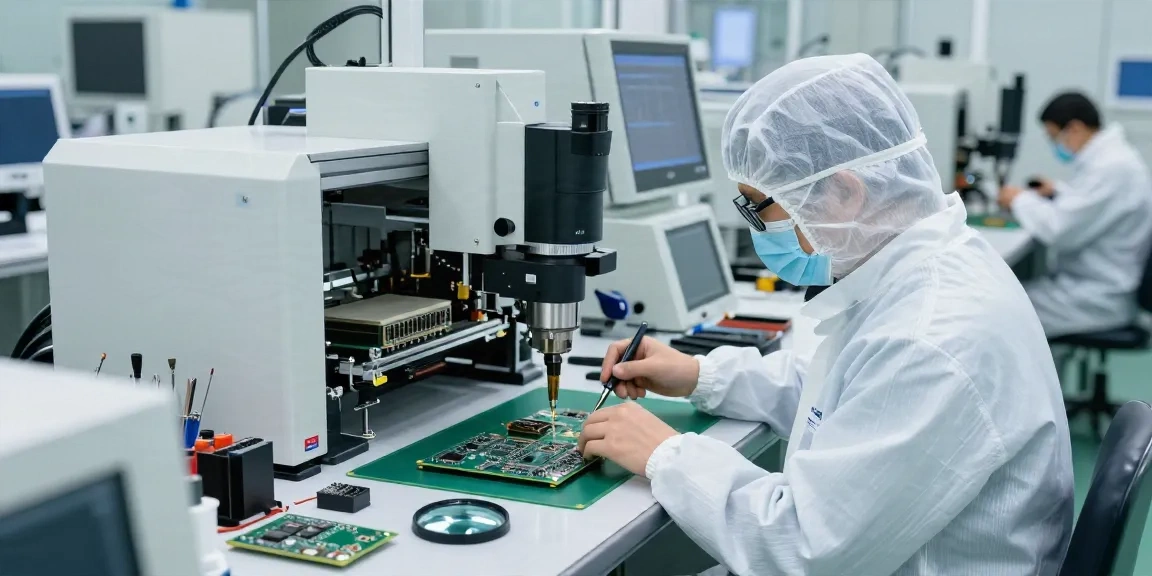
- Quality Control: Rigorous testing and inspection processes ensure every component adheres to strict safety and performance standards.
- Customization: Many manufacturers offer tailored solutions, providing custom designs and specifications to meet unique client needs.
- Engineering Support: In-house engineering teams can assist clients from the design phase through to final production, ensuring optimal product performance.
- Supply Chain Management: Efficient supply chain strategies that ensure timely delivery and availability of components across various markets.
Importance in Industry and Applications
Electrical components manufacturers are integral to numerous industries, including:
- Consumer electronics
- Automotive and electric vehicles (EV)
- Medical devices
- Industrial automation
- Telecommunications
Their contributions not only enhance device reliability but also facilitate innovation in technology, which is crucial as industries evolve towards increasingly smart and interconnected systems.
Benefits of Choosing a Professional Manufacturer
Selecting a qualified electrical components manufacturer can significantly influence your project's success. Here are some key benefits:
Quality Assurance and Certification Standards
Reputable manufacturers offer high-quality products that comply with international standards. Certifications such as ISO, UL, and CE provide assurance that the components have undergone stringent testing, ensuring safety in their intended applications. Furthermore, manufacturers that adhere to RoHS and REACH guidelines minimize environmental impact, aligning with global sustainability goals.
Customization Options and Engineering Expertise
Working with a specialized manufacturer allows access to extensive customization options. Manufacturers typically have dedicated engineering teams capable of adapting existing products or creating entirely new solutions based on client specifications. This adaptability is essential in an era where individualized solutions are increasingly desired in sectors like automotive and medical.
Global Supply Chain and Delivery Efficiency
Professional manufacturers often possess robust supply chain networks that facilitate rapid delivery times, even for custom orders. By choosing a manufacturer with a global presence, businesses can streamline operations and ensure components are readily available wherever needed, thereby reducing lead times and improving time-to-market.
Challenges Faced by Electrical Components Manufacturers
Despite their critical role, electrical components manufacturers encounter various challenges that can impact their operations and the services they provide:
Regulatory Compliance and Safety Standards
Keeping up with constantly evolving regulatory standards can be daunting. Manufacturers must ensure that their products not only meet current safety regulations but also anticipate future changes. This requires ongoing investment in quality assurance processes and staff training.
Competitive Market Landscape and Pricing Challenges
With numerous players in the market, manufacturers face intense competition, leading to pricing pressures. Balancing cost-effectiveness with the need to maintain quality can be difficult, requiring manufacturers to innovate continually while managing operational costs effectively.
Technological Advancements and Adaptation Needs
The rapid advancement of technology in the electronics sector necessitates that manufacturers stay ahead of trends. This includes investing in the latest manufacturing technologies and adapting product lines to incorporate emerging solutions, such as IoT integration and smart technologies.
Comparing Manufacturers with DIY Solutions
As businesses consider their sourcing strategies, a common debate arises: should they rely on a professional manufacturer or explore DIY solutions? Let's delve into the advantages and disadvantages of both:
Cost Efficiency: Manufacturer vs. DIY
While DIY solutions may seem more economical initially, they often do not account for hidden costs such as time, labor, and potential rework. Professional manufacturers can leverage economies of scale, which can ultimately lead to lower costs for high-quality components.
Quality and Reliability of Components
Manufacturers invest heavily in quality assurance, ensuring that their products comply with rigorous standards. In contrast, DIY solutions may not offer the same level of reliability, leading to potential operational failures and costly repairs down the line.
Time to Market and Production Speed
Professional manufacturers equip businesses with the ability to quickly bring products to market. Their established production processes and supply chains significantly reduce lead times compared to DIY methods, allowing businesses to capitalize on market opportunities without delay.
Future Trends in the Electrical Components Industry
The landscape of electrical components manufacturing is continually evolving. Here are some anticipated trends that will shape the industry in the coming years:
Emerging Technologies in Component Manufacturing
Technological advancements, such as automation and artificial intelligence, are beginning to revolutionize manufacturing processes. These innovations not only improve efficiency but also enhance product quality and consistency.
Sustainability Practices and Eco-Friendly Materials
With a growing focus on sustainability, manufacturers are increasingly adopting eco-friendly materials and production methods. This trend is driven by both regulatory demands and consumer preferences for environmentally responsible products.
Predictions for the Market in 2026 and Beyond
Market analysts predict that the demand for electrical components will continue to rise, driven by the growth of the automotive sector—particularly electric vehicles—and increased automation in manufacturing. As technologies advance, manufacturers that innovate and maintain high-quality standards will thrive.
What are the top electrical components manufacturers?
Some of the leading names in the electrical components sector are globally recognized for their quality and innovation. This includes multinational corporations and niche manufacturers, each contributing to the industry's diverse needs.
How to choose the right electrical components manufacturer?
Choosing the right manufacturer involves evaluating several factors, including quality certifications, customization capabilities, customer service, and industry experience. Conducting thorough research and seeking recommendations can lead to informed decisions.
What are the advantages of OEM partnerships?
OEM partnerships provide manufacturers with significant advantages, including shared resources, access to new markets, and combined expertise in product development. These collaborations can accelerate innovation and enhance competitiveness.
What certifications should I look for in electrical components?
When selecting electrical components, look for certifications such as ISO, UL, CE, and RoHS compliance. These certifications indicate that the products meet established quality and safety standards, reducing risk for end-users.
How can I ensure quality in custom electrical components?
To ensure quality in custom components, partner with manufacturers that provide detailed documentation of their quality assurance processes. Request samples and conduct on-site visits if possible, as this helps assess the manufacturer's capabilities firsthand.